
Get trending papers in your email inbox once a day!
Get trending papers in your email inbox!
Subscribe
HyperInterval: Hypernetwork approach to training weight interval regions in continual learning
Recently, a new Continual Learning (CL) paradigm was presented to control catastrophic forgetting, called Interval Continual Learning (InterContiNet), which relies on enforcing interval constraints on the neural network parameter space. Unfortunately, InterContiNet training is challenging due to the high dimensionality of the weight space, making intervals difficult to manage. To address this issue, we introduce HyperInterval, a technique that employs interval arithmetic within the embedding space and utilizes a hypernetwork to map these intervals to the target network parameter space. We train interval embeddings for consecutive tasks and train a hypernetwork to transform these embeddings into weights of the target network. An embedding for a given task is trained along with the hypernetwork, preserving the response of the target network for the previous task embeddings. Interval arithmetic works with a more manageable, lower-dimensional embedding space rather than directly preparing intervals in a high-dimensional weight space. Our model allows faster and more efficient training. Furthermore, HyperInterval maintains the guarantee of not forgetting. At the end of training, we can choose one universal embedding to produce a single network dedicated to all tasks. In such a framework, hypernetwork is used only for training and can be seen as a meta-trainer. HyperInterval obtains significantly better results than InterContiNet and gives SOTA results on several benchmarks.

Recurrence of Optimum for Training Weight and Activation Quantized Networks
Deep neural networks (DNNs) are quantized for efficient inference on resource-constrained platforms. However, training deep learning models with low-precision weights and activations involves a demanding optimization task, which calls for minimizing a stage-wise loss function subject to a discrete set-constraint. While numerous training methods have been proposed, existing studies for full quantization of DNNs are mostly empirical. From a theoretical point of view, we study practical techniques for overcoming the combinatorial nature of network quantization. Specifically, we investigate a simple yet powerful projected gradient-like algorithm for quantizing two-linear-layer networks, which proceeds by repeatedly moving one step at float weights in the negation of a heuristic fake gradient of the loss function (so-called coarse gradient) evaluated at quantized weights. For the first time, we prove that under mild conditions, the sequence of quantized weights recurrently visits the global optimum of the discrete minimization problem for training fully quantized network. We also show numerical evidence of the recurrence phenomenon of weight evolution in training quantized deep networks.
Bit-wise Training of Neural Network Weights
We introduce an algorithm where the individual bits representing the weights of a neural network are learned. This method allows training weights with integer values on arbitrary bit-depths and naturally uncovers sparse networks, without additional constraints or regularization techniques. We show better results than the standard training technique with fully connected networks and similar performance as compared to standard training for convolutional and residual networks. By training bits in a selective manner we found that the biggest contribution to achieving high accuracy is given by the first three most significant bits, while the rest provide an intrinsic regularization. As a consequence more than 90\% of a network can be used to store arbitrary codes without affecting its accuracy. These codes may be random noise, binary files or even the weights of previously trained networks.
SmoothQuant+: Accurate and Efficient 4-bit Post-Training WeightQuantization for LLM
Large language models (LLMs) have shown remarkable capabilities in various tasks. However their huge model size and the consequent demand for computational and memory resources also pose challenges to model deployment. Currently, 4-bit post-training quantization (PTQ) has achieved some success in LLMs, reducing the memory footprint by approximately 75% compared to FP16 models, albeit with some accuracy loss. In this paper, we propose SmoothQuant+, an accurate and efficient 4-bit weight-only PTQ that requires no additional training, which enables lossless in accuracy for LLMs for the first time. Based on the fact that the loss of weight quantization is amplified by the activation outliers, SmoothQuant+ smoothes the activation outliers by channel before quantization, while adjusting the corresponding weights for mathematical equivalence, and then performs group-wise 4-bit weight quantization for linear layers. We have integrated SmoothQuant+ into the vLLM framework, an advanced high-throughput inference engine specially developed for LLMs, and equipped it with an efficient W4A16 CUDA kernels, so that vLLM can seamlessly support SmoothQuant+ 4-bit weight quantization. Our results show that, with SmoothQuant+, the Code Llama-34B model can be quantized and deployed on a A100 40GB GPU, achieving lossless accuracy and a throughput increase of 1.9 to 4.0 times compared to the FP16 model deployed on two A100 40GB GPUs. Moreover, the latency per token is only 68% of the FP16 model deployed on two A100 40GB GPUs. This is the state-of-the-art 4-bit weight quantization for LLMs as we know.
LRQ: Optimizing Post-Training Quantization for Large Language Models by Learning Low-Rank Weight-Scaling Matrices
With the commercialization of large language models (LLMs), weight-activation quantization has emerged to compress and accelerate LLMs, achieving high throughput while reducing inference costs. However, existing post-training quantization (PTQ) techniques for quantizing weights and activations of LLMs still suffer from non-negligible accuracy drops, especially on massive multitask language understanding. To address this issue, we propose Low-Rank Quantization (LRQ) - a simple yet effective post-training weight quantization method for LLMs that reconstructs the outputs of an intermediate Transformer block by leveraging low-rank weight-scaling matrices, replacing the conventional full weight-scaling matrices that entail as many learnable scales as their associated weights. Thanks to parameter sharing via low-rank structure, LRQ only needs to learn significantly fewer parameters while enabling the individual scaling of weights, thus boosting the generalization capability of quantized LLMs. We show the superiority of LRQ over prior LLM PTQ works under (i) 8-bit weight and per-tensor activation quantization, (ii) 4-bit weight and 8-bit per-token activation quantization, and (iii) low-bit weight-only quantization schemes. Our code is available at https://github.com/onliwad101/FlexRound_LRQ to inspire LLM researchers and engineers.


Identifying Sensitive Weights via Post-quantization Integral
Serving Large Language Models (LLMs) is costly. However, post-training weight quantization can address this problem by both compressing their sizes for limited memory and saving bandwidth for acceleration. As not all weight dimensions are equally important, those methods typically rely on a sensitivity metric, which indicates the element-wise influence of weights on loss function and is used to preprocess original weights for better quantization. In this work, we conduct an empirical study on the accuracy of the sensitivity metric, and find that existing gradient and Hessian based metrics are very inaccurate: they underestimate quantization's impact on the loss function by orders of magnitude, mainly due to the small convergence radius of local 2nd order approximation, \ie, gradient and Hessian term in Taylor's formula. To tackle this problem, we propose Post-quantization Integral (PQI), an accurate metric to estimate posterior sensitivity in a fine-grained manner. To leverage this accurate metric, we further propose ReQuant, a simple yet powerful framework that mainly consists of two Dense-and-Sparse detach components: self-adaptive outlier selection and step-wise significant weights detach. Results show that ReQuant boosts state-of-the-art post-training quantization methods, with a pronounced improvement of 2.66 perplexity gain on Llama 3.2 1B with QTIP.




Transferable Post-training via Inverse Value Learning
As post-training processes utilize increasingly large datasets and base models continue to grow in size, the computational demands and implementation challenges of existing algorithms are escalating significantly. In this paper, we propose modeling the changes at the logits level during post-training using a separate neural network (i.e., the value network). After training this network on a small base model using demonstrations, this network can be seamlessly integrated with other pre-trained models during inference, enables them to achieve similar capability enhancements. We systematically investigate the best practices for this paradigm in terms of pre-training weights and connection schemes. We demonstrate that the resulting value network has broad transferability across pre-trained models of different parameter sizes within the same family, models undergoing continuous pre-training within the same family, and models with different vocabularies across families. In certain cases, it can achieve performance comparable to full-parameter fine-tuning. Furthermore, we explore methods to enhance the transferability of the value model and prevent overfitting to the base model used during training.

Efficient Supervised Training of Audio Transformers for Music Representation Learning
In this work, we address music representation learning using convolution-free transformers. We build on top of existing spectrogram-based audio transformers such as AST and train our models on a supervised task using patchout training similar to PaSST. In contrast to previous works, we study how specific design decisions affect downstream music tagging tasks instead of focusing on the training task. We assess the impact of initializing the models with different pre-trained weights, using various input audio segment lengths, using learned representations from different blocks and tokens of the transformer for downstream tasks, and applying patchout at inference to speed up feature extraction. We find that 1) initializing the model from ImageNet or AudioSet weights and using longer input segments are beneficial both for the training and downstream tasks, 2) the best representations for the considered downstream tasks are located in the middle blocks of the transformer, and 3) using patchout at inference allows faster processing than our convolutional baselines while maintaining superior performance. The resulting models, MAEST, are publicly available and obtain the best performance among open models in music tagging tasks.

TinyGPT-V: Efficient Multimodal Large Language Model via Small Backbones
In the era of advanced multimodel learning, multimodal large language models (MLLMs) such as GPT-4V have made remarkable strides towards bridging language and visual elements. However, the closed-source nature and considerable computational demand present notable challenges for universal usage and modifications. This is where open-source MLLMs like LLaVA and MiniGPT-4 come in, presenting groundbreaking achievements across tasks. Despite these accomplishments, computational efficiency remains an unresolved issue, as these models, like LLaVA-v1.5-13B, require substantial resources. Addressing these issues, we introduce TinyGPT-V, a new-wave model marrying impressive performance with commonplace computational capacity. It stands out by requiring merely a 24G GPU for training and an 8G GPU or CPU for inference. Built upon Phi-2, TinyGPT-V couples an effective language backbone with pre-trained vision modules from BLIP-2 or CLIP. TinyGPT-V's 2.8B parameters can undergo a unique quantisation process, suitable for local deployment and inference tasks on 8G various devices. Our work fosters further developments for designing cost-effective, efficient, and high-performing MLLMs, expanding their applicability in a broad array of real-world scenarios. Furthermore this paper proposed a new paradigm of Multimodal Large Language Model via small backbones. Our code and training weights are placed at: https://github.com/DLYuanGod/TinyGPT-V and https://huggingface.co/Tyrannosaurus/TinyGPT-V respectively.



IA2: Alignment with ICL Activations Improves Supervised Fine-Tuning
Supervised Fine-Tuning (SFT) is used to specialize model behavior by training weights to produce intended target responses for queries. In contrast, In-Context Learning (ICL) adapts models during inference with instructions or demonstrations in the prompt. ICL can offer better generalizability and more calibrated responses compared to SFT in data scarce settings, at the cost of more inference compute. In this work, we ask the question: Can ICL's internal computations be used to improve the qualities of SFT? We first show that ICL and SFT produce distinct activation patterns, indicating that the two methods achieve adaptation through different functional mechanisms. Motivated by this observation and to use ICL's rich functionality, we introduce ICL Activation Alignment (IA2), a self-distillation technique which aims to replicate ICL's activation patterns in SFT models and incentivizes ICL-like internal reasoning. Performing IA2 as a priming step before SFT significantly improves the accuracy and calibration of model outputs, as shown by our extensive empirical results on 12 popular benchmarks and 2 model families. This finding is not only practically useful, but also offers a conceptual window into the inner mechanics of model adaptation.

Keypoint Communities
We present a fast bottom-up method that jointly detects over 100 keypoints on humans or objects, also referred to as human/object pose estimation. We model all keypoints belonging to a human or an object -- the pose -- as a graph and leverage insights from community detection to quantify the independence of keypoints. We use a graph centrality measure to assign training weights to different parts of a pose. Our proposed measure quantifies how tightly a keypoint is connected to its neighborhood. Our experiments show that our method outperforms all previous methods for human pose estimation with fine-grained keypoint annotations on the face, the hands and the feet with a total of 133 keypoints. We also show that our method generalizes to car poses.
Personalized Denoising Implicit Feedback for Robust Recommender System
While implicit feedback is foundational to modern recommender systems, factors such as human error, uncertainty, and ambiguity in user behavior inevitably introduce significant noise into this feedback, adversely affecting the accuracy and robustness of recommendations. To address this issue, existing methods typically aim to reduce the training weight of noisy feedback or discard it entirely, based on the observation that noisy interactions often exhibit higher losses in the overall loss distribution. However, we identify two key issues: (1) there is a significant overlap between normal and noisy interactions in the overall loss distribution, and (2) this overlap becomes even more pronounced when transitioning from pointwise loss functions (e.g., BCE loss) to pairwise loss functions (e.g., BPR loss). This overlap leads traditional methods to misclassify noisy interactions as normal, and vice versa. To tackle these challenges, we further investigate the loss overlap and find that for a given user, there is a clear distinction between normal and noisy interactions in the user's personal loss distribution. Based on this insight, we propose a resampling strategy to Denoise using the user's Personal Loss distribution, named PLD, which reduces the probability of noisy interactions being optimized. Specifically, during each optimization iteration, we create a candidate item pool for each user and resample the items from this pool based on the user's personal loss distribution, prioritizing normal interactions. Additionally, we conduct a theoretical analysis to validate PLD's effectiveness and suggest ways to further enhance its performance. Extensive experiments conducted on three datasets with varying noise ratios demonstrate PLD's efficacy and robustness.

MobileTL: On-device Transfer Learning with Inverted Residual Blocks
Transfer learning on edge is challenging due to on-device limited resources. Existing work addresses this issue by training a subset of parameters or adding model patches. Developed with inference in mind, Inverted Residual Blocks (IRBs) split a convolutional layer into depthwise and pointwise convolutions, leading to more stacking layers, e.g., convolution, normalization, and activation layers. Though they are efficient for inference, IRBs require that additional activation maps are stored in memory for training weights for convolution layers and scales for normalization layers. As a result, their high memory cost prohibits training IRBs on resource-limited edge devices, and making them unsuitable in the context of transfer learning. To address this issue, we present MobileTL, a memory and computationally efficient on-device transfer learning method for models built with IRBs. MobileTL trains the shifts for internal normalization layers to avoid storing activation maps for the backward pass. Also, MobileTL approximates the backward computation of the activation layer (e.g., Hard-Swish and ReLU6) as a signed function which enables storing a binary mask instead of activation maps for the backward pass. MobileTL fine-tunes a few top blocks (close to output) rather than propagating the gradient through the whole network to reduce the computation cost. Our method reduces memory usage by 46% and 53% for MobileNetV2 and V3 IRBs, respectively. For MobileNetV3, we observe a 36% reduction in floating-point operations (FLOPs) when fine-tuning 5 blocks, while only incurring a 0.6% accuracy reduction on CIFAR10. Extensive experiments on multiple datasets demonstrate that our method is Pareto-optimal (best accuracy under given hardware constraints) compared to prior work in transfer learning for edge devices.

Data Mixing Agent: Learning to Re-weight Domains for Continual Pre-training
Continual pre-training on small-scale task-specific data is an effective method for improving large language models in new target fields, yet it risks catastrophic forgetting of their original capabilities. A common solution is to re-weight training data mixtures from source and target fields on a domain space to achieve balanced performance. Previous domain reweighting strategies rely on manual designation with certain heuristics based on human intuition or empirical results. In this work, we prove that more general heuristics can be parameterized by proposing Data Mixing Agent, the first model-based, end-to-end framework that learns to re-weight domains. The agent learns generalizable heuristics through reinforcement learning on large quantities of data mixing trajectories with corresponding feedback from an evaluation environment. Experiments in continual pre-training on math reasoning show that Data Mixing Agent outperforms strong baselines in achieving balanced performance across source and target field benchmarks. Furthermore, it generalizes well across unseen source fields, target models, and domain spaces without retraining. Direct application to the code generation field also indicates its adaptability across target domains. Further analysis showcases the agents' well-aligned heuristics with human intuitions and their efficiency in achieving superior model performance with less source-field data.


Tackling Interference Induced by Data Training Loops in A/B Tests: A Weighted Training Approach
In modern recommendation systems, the standard pipeline involves training machine learning models on historical data to predict user behaviors and improve recommendations continuously. However, these data training loops can introduce interference in A/B tests, where data generated by control and treatment algorithms, potentially with different distributions, are combined. To address these challenges, we introduce a novel approach called weighted training. This approach entails training a model to predict the probability of each data point appearing in either the treatment or control data and subsequently applying weighted losses during model training. We demonstrate that this approach achieves the least variance among all estimators that do not cause shifts in the training distributions. Through simulation studies, we demonstrate the lower bias and variance of our approach compared to other methods.
eDKM: An Efficient and Accurate Train-time Weight Clustering for Large Language Models
Since Large Language Models or LLMs have demonstrated high-quality performance on many complex language tasks, there is a great interest in bringing these LLMs to mobile devices for faster responses and better privacy protection. However, the size of LLMs (i.e., billions of parameters) requires highly effective compression to fit into storage-limited devices. Among many compression techniques, weight-clustering, a form of non-linear quantization, is one of the leading candidates for LLM compression, and supported by modern smartphones. Yet, its training overhead is prohibitively significant for LLM fine-tuning. Especially, Differentiable KMeans Clustering, or DKM, has shown the state-of-the-art trade-off between compression ratio and accuracy regression, but its large memory complexity makes it nearly impossible to apply to train-time LLM compression. In this paper, we propose a memory-efficient DKM implementation, eDKM powered by novel techniques to reduce the memory footprint of DKM by orders of magnitudes. For a given tensor to be saved on CPU for the backward pass of DKM, we compressed the tensor by applying uniquification and sharding after checking if there is no duplicated tensor previously copied to CPU. Our experimental results demonstrate that \prjname can fine-tune and compress a pretrained LLaMA 7B model from 12.6 GB to 2.5 GB (3bit/weight) with the Alpaca dataset by reducing the train-time memory footprint of a decoder layer by 130times, while delivering good accuracy on broader LLM benchmarks (i.e., 77.7% for PIQA, 66.1% for Winograde, and so on).

Double-Weighting for Covariate Shift Adaptation
Supervised learning is often affected by a covariate shift in which the marginal distributions of instances (covariates x) of training and testing samples p_tr(x) and p_te(x) are different but the label conditionals coincide. Existing approaches address such covariate shift by either using the ratio p_te(x)/p_tr(x) to weight training samples (reweighted methods) or using the ratio p_tr(x)/p_te(x) to weight testing samples (robust methods). However, the performance of such approaches can be poor under support mismatch or when the above ratios take large values. We propose a minimax risk classification (MRC) approach for covariate shift adaptation that avoids such limitations by weighting both training and testing samples. In addition, we develop effective techniques that obtain both sets of weights and generalize the conventional kernel mean matching method. We provide novel generalization bounds for our method that show a significant increase in the effective sample size compared with reweighted methods. The proposed method also achieves enhanced classification performance in both synthetic and empirical experiments.
ToReMi: Topic-Aware Data Reweighting for Dynamic Pre-Training Data Selection
Pre-training large language models (LLMs) necessitates enormous diverse textual corpora, making effective data selection a key challenge for balancing computational resources and model performance. Current methodologies primarily emphasize data quality metrics and mixing proportions, yet they fail to adequately capture the underlying semantic connections between training samples and quality disparities within individual domains. We introduce ToReMi (Topic-based Reweighting for Model improvement), a novel two-stage framework that dynamically adjusts training sample weights according to their topical associations and observed learning patterns. Our comprehensive experiments reveal that ToReMi variants consistently achieve superior performance over conventional pre-training approaches, demonstrating accelerated perplexity reduction across multiple domains and enhanced capabilities on downstream evaluation tasks. Code is available at https://github.com/zxx000728/ToReMi.
MedVLSynther: Synthesizing High-Quality Visual Question Answering from Medical Documents with Generator-Verifier LMMs
Large Multimodal Models (LMMs) are increasingly capable of answering medical questions that require joint reasoning over images and text, yet training general medical VQA systems is impeded by the lack of large, openly usable, high-quality corpora. We present MedVLSynther, a rubric-guided generator-verifier framework that synthesizes high-quality multiple-choice VQA items directly from open biomedical literature by conditioning on figures, captions, and in-text references. The generator produces self-contained stems and parallel, mutually exclusive options under a machine-checkable JSON schema; a multi-stage verifier enforces essential gates (self-containment, single correct answer, clinical validity, image-text consistency), awards fine-grained positive points, and penalizes common failure modes before acceptance. Applying this pipeline to PubMed Central yields MedSynVQA: 13,087 audited questions over 14,803 images spanning 13 imaging modalities and 28 anatomical regions. Training open-weight LMMs with reinforcement learning using verifiable rewards improves accuracy across six medical VQA benchmarks, achieving averages of 55.85 (3B) and 58.15 (7B), with up to 77.57 on VQA-RAD and 67.76 on PathVQA, outperforming strong medical LMMs. A Ablations verify that both generation and verification are necessary and that more verified data consistently helps, and a targeted contamination analysis detects no leakage from evaluation suites. By operating entirely on open literature and open-weight models, MedVLSynther offers an auditable, reproducible, and privacy-preserving path to scalable medical VQA training data.

PETRA: Pretrained Evolutionary Transformer for SARS-CoV-2 Mutation Prediction
Since its emergence, SARS-CoV-2 has demonstrated a rapid and unpredictable evolutionary trajectory, characterized by the continual emergence of immune-evasive variants. This poses persistent challenges to public health and vaccine development. While large-scale generative pre-trained transformers (GPTs) have revolutionized the modeling of sequential data, their direct applications to noisy viral genomic sequences are limited. In this paper, we introduce PETRA(Pretrained Evolutionary TRAnsformer), a novel transformer approach based on evolutionary trajectories derived from phylogenetic trees rather than raw RNA sequences. This method effectively mitigates sequencing noise and captures the hierarchical structure of viral evolution. With a weighted training framework to address substantial geographical and temporal imbalances in global sequence data, PETRA excels in predicting future SARS-CoV-2 mutations, achieving a weighted recall@1 of 9.45% for nucleotide mutations and 17.10\% for spike amino-acid mutations, compared to 0.49% and 6.64% respectively for the best baseline. PETRA also demonstrates its ability to aid in the real-time mutation prediction of major clades like 24F(XEC) and 25A(LP.8.1). The code is open sourced on https://github.com/xz-keg/PETra
A Unit Enhancement and Guidance Framework for Audio-Driven Avatar Video Generation
Audio-driven human animation technology is widely used in human-computer interaction, and the emergence of diffusion models has further advanced its development. Currently, most methods rely on multi-stage generation and intermediate representations, resulting in long inference time and issues with generation quality in specific foreground regions and audio-motion consistency. These shortcomings are primarily due to the lack of localized fine-grained supervised guidance. To address above challenges, we propose Parts-aware Audio-driven Human Animation, PAHA, a unit enhancement and guidance framework for audio-driven upper-body animation. We introduce two key methods: Parts-Aware Re-weighting (PAR) and Parts Consistency Enhancement (PCE). PAR dynamically adjusts regional training loss weights based on pose confidence scores, effectively improving visual quality. PCE constructs and trains diffusion-based regional audio-visual classifiers to improve the consistency of motion and co-speech audio. Afterwards, we design two novel inference guidance methods for the foregoing classifiers, Sequential Guidance (SG) and Differential Guidance (DG), to balance efficiency and quality respectively. Additionally, we build CNAS, the first public Chinese News Anchor Speech dataset, to advance research and validation in this field. Extensive experimental results and user studies demonstrate that PAHA significantly outperforms existing methods in audio-motion alignment and video-related evaluations. The codes and CNAS dataset will be released upon acceptance.
Continuously Learning New Words in Automatic Speech Recognition
Despite recent advances, Automatic Speech Recognition (ASR) systems are still far from perfect. Typical errors include acronyms, named entities, and domain-specific special words for which little or no labeled data is available. To address the problem of recognizing these words, we propose a self-supervised continual learning approach: Given the audio of a lecture talk with the corresponding slides, we bias the model towards decoding new words from the slides by using a memory-enhanced ASR model from the literature. Then, we perform inference on the talk, collecting utterances that contain detected new words into an adaptation data set. Continual learning is then performed by training adaptation weights added to the model on this data set. The whole procedure is iterated for many talks. We show that with this approach, we obtain increasing performance on the new words when they occur more frequently (more than 80% recall) while preserving the general performance of the model.
Evaluating Large Language Models for Health-Related Text Classification Tasks with Public Social Media Data
Large language models (LLMs) have demonstrated remarkable success in NLP tasks. However, there is a paucity of studies that attempt to evaluate their performances on social media-based health-related natural language processing tasks, which have traditionally been difficult to achieve high scores in. We benchmarked one supervised classic machine learning model based on Support Vector Machines (SVMs), three supervised pretrained language models (PLMs) based on RoBERTa, BERTweet, and SocBERT, and two LLM based classifiers (GPT3.5 and GPT4), across 6 text classification tasks. We developed three approaches for leveraging LLMs for text classification: employing LLMs as zero-shot classifiers, us-ing LLMs as annotators to annotate training data for supervised classifiers, and utilizing LLMs with few-shot examples for augmentation of manually annotated data. Our comprehensive experiments demonstrate that employ-ing data augmentation using LLMs (GPT-4) with relatively small human-annotated data to train lightweight supervised classification models achieves superior results compared to training with human-annotated data alone. Supervised learners also outperform GPT-4 and GPT-3.5 in zero-shot settings. By leveraging this data augmentation strategy, we can harness the power of LLMs to develop smaller, more effective domain-specific NLP models. LLM-annotated data without human guidance for training light-weight supervised classification models is an ineffective strategy. However, LLM, as a zero-shot classifier, shows promise in excluding false negatives and potentially reducing the human effort required for data annotation. Future investigations are imperative to explore optimal training data sizes and the optimal amounts of augmented data.
BitStack: Fine-Grained Size Control for Compressed Large Language Models in Variable Memory Environments
Large language models (LLMs) have revolutionized numerous applications, yet their deployment remains challenged by memory constraints on local devices. While scaling laws have enhanced LLM capabilities, the primary bottleneck has shifted from capability to availability, emphasizing the need for efficient memory management. Traditional compression methods, such as quantization, often require predefined compression ratios and separate compression processes for each setting, complicating deployment in variable memory environments. In this paper, we introduce BitStack, a novel, training-free weight compression approach that enables megabyte-level trade-offs between memory usage and model performance. By leveraging weight decomposition, BitStack can dynamically adjust the model size with minimal transmission between running memory and storage devices. Our approach iteratively decomposes weight matrices while considering the significance of each parameter, resulting in an approximately 1-bit per parameter residual block in each decomposition iteration. These blocks are sorted and stacked in storage as basic transmission units, with different quantities loaded based on current memory availability. Extensive experiments across a wide range of tasks demonstrate that, despite offering fine-grained size control, BitStack consistently matches or surpasses strong quantization baselines, particularly at extreme compression ratios. To the best of our knowledge, this is the first decomposition-based method that effectively bridges the gap to practical compression techniques like quantization. Code is available at https://github.com/xinghaow99/BitStack.

High Fidelity Neural Audio Compression
We introduce a state-of-the-art real-time, high-fidelity, audio codec leveraging neural networks. It consists in a streaming encoder-decoder architecture with quantized latent space trained in an end-to-end fashion. We simplify and speed-up the training by using a single multiscale spectrogram adversary that efficiently reduces artifacts and produce high-quality samples. We introduce a novel loss balancer mechanism to stabilize training: the weight of a loss now defines the fraction of the overall gradient it should represent, thus decoupling the choice of this hyper-parameter from the typical scale of the loss. Finally, we study how lightweight Transformer models can be used to further compress the obtained representation by up to 40%, while staying faster than real time. We provide a detailed description of the key design choices of the proposed model including: training objective, architectural changes and a study of various perceptual loss functions. We present an extensive subjective evaluation (MUSHRA tests) together with an ablation study for a range of bandwidths and audio domains, including speech, noisy-reverberant speech, and music. Our approach is superior to the baselines methods across all evaluated settings, considering both 24 kHz monophonic and 48 kHz stereophonic audio. Code and models are available at github.com/facebookresearch/encodec.



Lottery Jackpots Exist in Pre-trained Models
Network pruning is an effective approach to reduce network complexity with acceptable performance compromise. Existing studies achieve the sparsity of neural networks via time-consuming weight training or complex searching on networks with expanded width, which greatly limits the applications of network pruning. In this paper, we show that high-performing and sparse sub-networks without the involvement of weight training, termed "lottery jackpots", exist in pre-trained models with unexpanded width. Furthermore, we improve the efficiency for searching lottery jackpots from two perspectives. Firstly, we observe that the sparse masks derived from many existing pruning criteria have a high overlap with the searched mask of our lottery jackpot, among which, the magnitude-based pruning results in the most similar mask with ours. Consequently, our searched lottery jackpot removes 90% weights in ResNet-50, while it easily obtains more than 70% top-1 accuracy using only 5 searching epochs on ImageNet. In compliance with this insight, we initialize our sparse mask using the magnitude-based pruning, resulting in at least 3x cost reduction on the lottery jackpot searching while achieving comparable or even better performance. Secondly, we conduct an in-depth analysis of the searching process for lottery jackpots. Our theoretical result suggests that the decrease in training loss during weight searching can be disturbed by the dependency between weights in modern networks. To mitigate this, we propose a novel short restriction method to restrict change of masks that may have potential negative impacts on the training loss. Our code is available at https://github.com/zyxxmu/lottery-jackpots.
PatchDPO: Patch-level DPO for Finetuning-free Personalized Image Generation
Finetuning-free personalized image generation can synthesize customized images without test-time finetuning, attracting wide research interest owing to its high efficiency. Current finetuning-free methods simply adopt a single training stage with a simple image reconstruction task, and they typically generate low-quality images inconsistent with the reference images during test-time. To mitigate this problem, inspired by the recent DPO (i.e., direct preference optimization) technique, this work proposes an additional training stage to improve the pre-trained personalized generation models. However, traditional DPO only determines the overall superiority or inferiority of two samples, which is not suitable for personalized image generation because the generated images are commonly inconsistent with the reference images only in some local image patches. To tackle this problem, this work proposes PatchDPO that estimates the quality of image patches within each generated image and accordingly trains the model. To this end, PatchDPO first leverages the pre-trained vision model with a proposed self-supervised training method to estimate the patch quality. Next, PatchDPO adopts a weighted training approach to train the model with the estimated patch quality, which rewards the image patches with high quality while penalizing the image patches with low quality. Experiment results demonstrate that PatchDPO significantly improves the performance of multiple pre-trained personalized generation models, and achieves state-of-the-art performance on both single-object and multi-object personalized image generation. Our code is available at https://github.com/hqhQAQ/PatchDPO.
MERaLiON-TextLLM: Cross-Lingual Understanding of Large Language Models in Chinese, Indonesian, Malay, and Singlish
Multilingual large language models (MLLMs) have shown impressive capabilities across a variety of languages. However, efficacy can differ greatly between different language families, especially for those with limited linguistic resources. This report presents MERaLiON-TextLLM, a series of open-source language models specifically tailored to improve understanding and generation in Chinese, Indonesian, Malay, and Singlish. The initial released model is built on Llama-3-8B-Base and refined through a meticulously crafted process of continued pre-training and weight merging. Our approach achieves performance improvements across benchmarks in these languages, exceeding the capabilities of the official Llama-3 models. We provide the model checkpoints as a resource to support further research and development in cross-lingual language understanding.

LongQLoRA: Efficient and Effective Method to Extend Context Length of Large Language Models
We present LongQLoRA, an efficient and effective method to extend context length of large language models with less training resources. LongQLoRA combines the advantages of Position Interpolation, QLoRA and Shift Short Attention of LongLoRA. With a single 32GB V100 GPU, LongQLoRA can extend the context length of LLaMA2 7B and 13B from 4096 to 8192 and even to 12k within 1000 finetuning steps. LongQLoRA achieves competitive perplexity performance on PG19 and Proof-pile datasets, our model outperforms LongLoRA and is very close to MPT-7B-8K within the evaluation context length of 8192. We collect and build 39k long instruction data to extend context length of Vicuna-13B from 4096 to 8192 and achieve good performance both in long and short context generation task. We also do some ablation experiments to study the effect of LoRA rank, finetuning steps and attention patterns in inference.The model weights, training data and code are avaliable at https://github.com/yangjianxin1/LongQLoRA.
Efficient Data Selection at Scale via Influence Distillation
Effective data selection is critical for efficient training of modern Large Language Models (LLMs). This paper introduces Influence Distillation, a novel, mathematically-justified framework for data selection that employs second-order information to optimally weight training samples. By distilling each sample's influence on a target distribution, our method assigns model-specific weights that are used to select training data for LLM fine-tuning, guiding it toward strong performance on the target domain. We derive these optimal weights for both Gradient Descent and Adam optimizers. To ensure scalability and reduce computational cost, we propose a landmark-based approximation: influence is precisely computed for a small subset of "landmark" samples and then efficiently propagated to all other samples to determine their weights. We validate Influence Distillation by applying it to instruction tuning on the Tulu V2 dataset, targeting a range of tasks including GSM8k, SQuAD, and MMLU, across several models from the Llama and Qwen families. Experiments show that Influence Distillation matches or outperforms state-of-the-art performance while achieving up to 3.5times faster selection.

Conditional Adapters: Parameter-efficient Transfer Learning with Fast Inference
We propose Conditional Adapter (CoDA), a parameter-efficient transfer learning method that also improves inference efficiency. CoDA generalizes beyond standard adapter approaches to enable a new way of balancing speed and accuracy using conditional computation. Starting with an existing dense pretrained model, CoDA adds sparse activation together with a small number of new parameters and a light-weight training phase. Our experiments demonstrate that the CoDA approach provides an unexpectedly efficient way to transfer knowledge. Across a variety of language, vision, and speech tasks, CoDA achieves a 2x to 8x inference speed-up compared to the state-of-the-art Adapter approaches with moderate to no accuracy loss and the same parameter efficiency.
EAGAN: Efficient Two-stage Evolutionary Architecture Search for GANs
Generative adversarial networks (GANs) have proven successful in image generation tasks. However, GAN training is inherently unstable. Although many works try to stabilize it by manually modifying GAN architecture, it requires much expertise. Neural architecture search (NAS) has become an attractive solution to search GANs automatically. The early NAS-GANs search only generators to reduce search complexity but lead to a sub-optimal GAN. Some recent works try to search both generator (G) and discriminator (D), but they suffer from the instability of GAN training. To alleviate the instability, we propose an efficient two-stage evolutionary algorithm-based NAS framework to search GANs, namely EAGAN. We decouple the search of G and D into two stages, where stage-1 searches G with a fixed D and adopts the many-to-one training strategy, and stage-2 searches D with the optimal G found in stage-1 and adopts the one-to-one training and weight-resetting strategies to enhance the stability of GAN training. Both stages use the non-dominated sorting method to produce Pareto-front architectures under multiple objectives (e.g., model size, Inception Score (IS), and Fr\'echet Inception Distance (FID)). EAGAN is applied to the unconditional image generation task and can efficiently finish the search on the CIFAR-10 dataset in 1.2 GPU days. Our searched GANs achieve competitive results (IS=8.81pm0.10, FID=9.91) on the CIFAR-10 dataset and surpass prior NAS-GANs on the STL-10 dataset (IS=10.44pm0.087, FID=22.18). Source code: https://github.com/marsggbo/EAGAN.
The Common Objects Underwater (COU) Dataset for Robust Underwater Object Detection
We introduce COU: Common Objects Underwater, an instance-segmented image dataset of commonly found man-made objects in multiple aquatic and marine environments. COU contains approximately 10K segmented images, annotated from images collected during a number of underwater robot field trials in diverse locations. COU has been created to address the lack of datasets with robust class coverage curated for underwater instance segmentation, which is particularly useful for training light-weight, real-time capable detectors for Autonomous Underwater Vehicles (AUVs). In addition, COU addresses the lack of diversity in object classes since the commonly available underwater image datasets focus only on marine life. Currently, COU contains images from both closed-water (pool) and open-water (lakes and oceans) environments, of 24 different classes of objects including marine debris, dive tools, and AUVs. To assess the efficacy of COU in training underwater object detectors, we use three state-of-the-art models to evaluate its performance and accuracy, using a combination of standard accuracy and efficiency metrics. The improved performance of COU-trained detectors over those solely trained on terrestrial data demonstrates the clear advantage of training with annotated underwater images. We make COU available for broad use under open-source licenses.
SPP: Sparsity-Preserved Parameter-Efficient Fine-Tuning for Large Language Models
Large Language Models (LLMs) have become pivotal in advancing the field of artificial intelligence, yet their immense sizes pose significant challenges for both fine-tuning and deployment. Current post-training pruning methods, while reducing the sizes of LLMs, often fail to maintain their original performance. To address these challenges, this paper introduces SPP, a Sparsity-Preserved Parameter-efficient fine-tuning method. Different from existing post-training pruning approaches that struggle with performance retention, SPP proposes to employ lightweight learnable column and row matrices to optimize sparse LLM weights, keeping the structure and sparsity of pruned pre-trained models intact. By element-wise multiplication and residual addition, SPP ensures the consistency of model sparsity pattern and ratio during both training and weight-merging processes. We demonstrate the effectiveness of SPP by applying it to the LLaMA and LLaMA-2 model families with recent post-training pruning methods. Our results show that SPP significantly enhances the performance of models with different sparsity patterns (i.e. unstructured and N:M sparsity), especially for those with high sparsity ratios (e.g. 75%), making it a promising solution for the efficient fine-tuning of sparse LLMs. Code will be made available at https://github.com/Lucky-Lance/SPP.



Can We Find Strong Lottery Tickets in Generative Models?
Yes. In this paper, we investigate strong lottery tickets in generative models, the subnetworks that achieve good generative performance without any weight update. Neural network pruning is considered the main cornerstone of model compression for reducing the costs of computation and memory. Unfortunately, pruning a generative model has not been extensively explored, and all existing pruning algorithms suffer from excessive weight-training costs, performance degradation, limited generalizability, or complicated training. To address these problems, we propose to find a strong lottery ticket via moment-matching scores. Our experimental results show that the discovered subnetwork can perform similarly or better than the trained dense model even when only 10% of the weights remain. To the best of our knowledge, we are the first to show the existence of strong lottery tickets in generative models and provide an algorithm to find it stably. Our code and supplementary materials are publicly available.

Adversarial Imitation Learning via Boosting
Adversarial imitation learning (AIL) has stood out as a dominant framework across various imitation learning (IL) applications, with Discriminator Actor Critic (DAC) (Kostrikov et al.,, 2019) demonstrating the effectiveness of off-policy learning algorithms in improving sample efficiency and scalability to higher-dimensional observations. Despite DAC's empirical success, the original AIL objective is on-policy and DAC's ad-hoc application of off-policy training does not guarantee successful imitation (Kostrikov et al., 2019; 2020). Follow-up work such as ValueDICE (Kostrikov et al., 2020) tackles this issue by deriving a fully off-policy AIL objective. Instead in this work, we develop a novel and principled AIL algorithm via the framework of boosting. Like boosting, our new algorithm, AILBoost, maintains an ensemble of properly weighted weak learners (i.e., policies) and trains a discriminator that witnesses the maximum discrepancy between the distributions of the ensemble and the expert policy. We maintain a weighted replay buffer to represent the state-action distribution induced by the ensemble, allowing us to train discriminators using the entire data collected so far. In the weighted replay buffer, the contribution of the data from older policies are properly discounted with the weight computed based on the boosting framework. Empirically, we evaluate our algorithm on both controller state-based and pixel-based environments from the DeepMind Control Suite. AILBoost outperforms DAC on both types of environments, demonstrating the benefit of properly weighting replay buffer data for off-policy training. On state-based environments, DAC outperforms ValueDICE and IQ-Learn (Gary et al., 2021), achieving competitive performance with as little as one expert trajectory.
Evolutionary Multi-objective Architecture Search Framework: Application to COVID-19 3D CT Classification
The COVID-19 pandemic has threatened global health. Many studies have applied deep convolutional neural networks (CNN) to recognize COVID-19 based on chest 3D computed tomography (CT). Recent works show that no model generalizes well across CT datasets from different countries, and manually designing models for specific datasets requires expertise; thus, neural architecture search (NAS) that aims to search models automatically has become an attractive solution. To reduce the search cost on large 3D CT datasets, most NAS-based works use the weight-sharing (WS) strategy to make all models share weights within a supernet; however, WS inevitably incurs search instability, leading to inaccurate model estimation. In this work, we propose an efficient Evolutionary Multi-objective ARchitecture Search (EMARS) framework. We propose a new objective, namely potential, which can help exploit promising models to indirectly reduce the number of models involved in weights training, thus alleviating search instability. We demonstrate that under objectives of accuracy and potential, EMARS can balance exploitation and exploration, i.e., reducing search time and finding better models. Our searched models are small and perform better than prior works on three public COVID-19 3D CT datasets.
What makes a good conversation? How controllable attributes affect human judgments
A good conversation requires balance -- between simplicity and detail; staying on topic and changing it; asking questions and answering them. Although dialogue agents are commonly evaluated via human judgments of overall quality, the relationship between quality and these individual factors is less well-studied. In this work, we examine two controllable neural text generation methods, conditional training and weighted decoding, in order to control four important attributes for chitchat dialogue: repetition, specificity, response-relatedness and question-asking. We conduct a large-scale human evaluation to measure the effect of these control parameters on multi-turn interactive conversations on the PersonaChat task. We provide a detailed analysis of their relationship to high-level aspects of conversation, and show that by controlling combinations of these variables our models obtain clear improvements in human quality judgments.
Gaussian Weight Sampling for Scalable, Efficient and Stable Pseudo-Quantization Training
Ever-growing scale of large language models (LLMs) is pushing for improved efficiency, favoring fully quantized training (FQT) over BF16. While FQT accelerates training, it faces consistency challenges and requires searching over an exponential number of cases, each needing over 200B tokens to ensure stability. Pseudo-quantization training (PQT) addresses the issues of FQT, although it is not well-studied. We explore the practical implications of PQT in detail and propose a noise distribution R that is floating-point (FP)-friendly, with ideal properties including stochastic precision annealing. As a result, the proposed method serves as an effective theoretical foundation for low-precision FP parameters through PQT, utilizing efficient fake quantization via an addition and subsequent FP casting. We demonstrate that Gaussian weight sampling is (1) scalable: supports low-precision FP parameters down to FP6 and high-precision noise up to 9-bit with BF16 operator. The proposed method is (2) efficient: incurring computational overhead as low as 1.40\% on the A100 GPU in terms of Llama2 training tokens per second, and requiring 2 bytes per parameter in GPU memory. We demonstrate that PQT with Gaussian weight sampling is (3) stable: closely following or even surpassing performance of the BF16 baseline while pre-training GPT2 and Llama2 models with up to 1B parameters and 300B tokens.

DaWin: Training-free Dynamic Weight Interpolation for Robust Adaptation
Adapting a pre-trained foundation model on downstream tasks should ensure robustness against distribution shifts without the need to retrain the whole model. Although existing weight interpolation methods are simple yet effective, we argue their static nature limits downstream performance while achieving efficiency. In this work, we propose DaWin, a training-free dynamic weight interpolation method that leverages the entropy of individual models over each unlabeled test sample to assess model expertise, and compute per-sample interpolation coefficients dynamically. Unlike previous works that typically rely on additional training to learn such coefficients, our approach requires no training. Then, we propose a mixture modeling approach that greatly reduces inference overhead raised by dynamic interpolation. We validate DaWin on the large-scale visual recognition benchmarks, spanning 14 tasks across robust fine-tuning -- ImageNet and derived five distribution shift benchmarks -- and multi-task learning with eight classification tasks. Results demonstrate that DaWin achieves significant performance gain in considered settings, with minimal computational overhead. We further discuss DaWin's analytic behavior to explain its empirical success.


Experts Weights Averaging: A New General Training Scheme for Vision Transformers
Structural re-parameterization is a general training scheme for Convolutional Neural Networks (CNNs), which achieves performance improvement without increasing inference cost. As Vision Transformers (ViTs) are gradually surpassing CNNs in various visual tasks, one may question: if a training scheme specifically for ViTs exists that can also achieve performance improvement without increasing inference cost? Recently, Mixture-of-Experts (MoE) has attracted increasing attention, as it can efficiently scale up the capacity of Transformers at a fixed cost through sparsely activated experts. Considering that MoE can also be viewed as a multi-branch structure, can we utilize MoE to implement a ViT training scheme similar to structural re-parameterization? In this paper, we affirmatively answer these questions, with a new general training strategy for ViTs. Specifically, we decouple the training and inference phases of ViTs. During training, we replace some Feed-Forward Networks (FFNs) of the ViT with specially designed, more efficient MoEs that assign tokens to experts by random uniform partition, and perform Experts Weights Averaging (EWA) on these MoEs at the end of each iteration. After training, we convert each MoE into an FFN by averaging the experts, transforming the model back into original ViT for inference. We further provide a theoretical analysis to show why and how it works. Comprehensive experiments across various 2D and 3D visual tasks, ViT architectures, and datasets validate the effectiveness and generalizability of the proposed training scheme. Besides, our training scheme can also be applied to improve performance when fine-tuning ViTs. Lastly, but equally important, the proposed EWA technique can significantly improve the effectiveness of naive MoE in various 2D visual small datasets and 3D visual tasks.
Efficient Training with Denoised Neural Weights
Good weight initialization serves as an effective measure to reduce the training cost of a deep neural network (DNN) model. The choice of how to initialize parameters is challenging and may require manual tuning, which can be time-consuming and prone to human error. To overcome such limitations, this work takes a novel step towards building a weight generator to synthesize the neural weights for initialization. We use the image-to-image translation task with generative adversarial networks (GANs) as an example due to the ease of collecting model weights spanning a wide range. Specifically, we first collect a dataset with various image editing concepts and their corresponding trained weights, which are later used for the training of the weight generator. To address the different characteristics among layers and the substantial number of weights to be predicted, we divide the weights into equal-sized blocks and assign each block an index. Subsequently, a diffusion model is trained with such a dataset using both text conditions of the concept and the block indexes. By initializing the image translation model with the denoised weights predicted by our diffusion model, the training requires only 43.3 seconds. Compared to training from scratch (i.e., Pix2pix), we achieve a 15x training time acceleration for a new concept while obtaining even better image generation quality.

Stop Wasting My Time! Saving Days of ImageNet and BERT Training with Latest Weight Averaging
Training vision or language models on large datasets can take days, if not weeks. We show that averaging the weights of the k latest checkpoints, each collected at the end of an epoch, can speed up the training progression in terms of loss and accuracy by dozens of epochs, corresponding to time savings up to ~68 and ~30 GPU hours when training a ResNet50 on ImageNet and RoBERTa-Base model on WikiText-103, respectively. We also provide the code and model checkpoint trajectory to reproduce the results and facilitate research on reusing historical weights for faster convergence.
BinaryConnect: Training Deep Neural Networks with binary weights during propagations
Deep Neural Networks (DNN) have achieved state-of-the-art results in a wide range of tasks, with the best results obtained with large training sets and large models. In the past, GPUs enabled these breakthroughs because of their greater computational speed. In the future, faster computation at both training and test time is likely to be crucial for further progress and for consumer applications on low-power devices. As a result, there is much interest in research and development of dedicated hardware for Deep Learning (DL). Binary weights, i.e., weights which are constrained to only two possible values (e.g. -1 or 1), would bring great benefits to specialized DL hardware by replacing many multiply-accumulate operations by simple accumulations, as multipliers are the most space and power-hungry components of the digital implementation of neural networks. We introduce BinaryConnect, a method which consists in training a DNN with binary weights during the forward and backward propagations, while retaining precision of the stored weights in which gradients are accumulated. Like other dropout schemes, we show that BinaryConnect acts as regularizer and we obtain near state-of-the-art results with BinaryConnect on the permutation-invariant MNIST, CIFAR-10 and SVHN.
How to Train Your Super-Net: An Analysis of Training Heuristics in Weight-Sharing NAS
Weight sharing promises to make neural architecture search (NAS) tractable even on commodity hardware. Existing methods in this space rely on a diverse set of heuristics to design and train the shared-weight backbone network, a.k.a. the super-net. Since heuristics and hyperparameters substantially vary across different methods, a fair comparison between them can only be achieved by systematically analyzing the influence of these factors. In this paper, we therefore provide a systematic evaluation of the heuristics and hyperparameters that are frequently employed by weight-sharing NAS algorithms. Our analysis uncovers that some commonly-used heuristics for super-net training negatively impact the correlation between super-net and stand-alone performance, and evidences the strong influence of certain hyperparameters and architectural choices. Our code and experiments set a strong and reproducible baseline that future works can build on.
QuEST: Stable Training of LLMs with 1-Bit Weights and Activations
One approach to reducing the massive costs of large language models (LLMs) is the use of quantized or sparse representations for training or deployment. While post-training compression methods are very popular, the question of obtaining even more accurate compressed models by directly training over such representations, i.e., Quantization-Aware Training (QAT), is still open: for example, a recent study (arXiv:2411.04330v2) put the "optimal" bit-width at which models can be trained using QAT, while staying accuracy-competitive with standard FP16/BF16 precision, at 8-bits weights and activations. We advance this state-of-the-art via a new method called QuEST, which is Pareto-competitive with FP16, i.e., it provides better accuracy at lower model size, while training models with weights and activations in 4-bits or less. Moreover, QuEST allows stable training with 1-bit weights and activations. QuEST achieves this by improving two key aspects of QAT methods: (1) accurate and fast quantization of the (continuous) distributions of weights and activations via Hadamard normalization and MSE-optimal fitting; (2) a new trust gradient estimator based on the idea of explicitly minimizing the error between the noisy gradient computed over quantized states and the "true" (but unknown) full-precision gradient. Experiments on Llama-type architectures show that QuEST induces stable scaling laws across the entire range of hardware-supported precisions, and can be extended to sparse representations. We provide GPU kernel support showing that models produced by QuEST can be executed efficiently. Our code is available at https://github.com/IST-DASLab/QuEST.

Approximating Language Model Training Data from Weights
Modern language models often have open weights but closed training data. We formalize the problem of data approximation from model weights and propose several baselines and metrics. We develop a gradient-based approach that selects the highest-matching data from a large public text corpus and show its effectiveness at recovering useful data given only weights of the original and finetuned models. Even when none of the true training data is known, our method is able to locate a small subset of public Web documents can be used to train a model to close to the original model performance given models trained for both classification and supervised-finetuning. On the AG News classification task, our method improves performance from 65% (using randomly selected data) to 80%, approaching the expert benchmark of 88%. When applied to a model trained with SFT on MSMARCO web documents, our method reduces perplexity from 3.3 to 2.3, compared to an expert LLAMA model's perplexity of 2.0.
Averaging Weights Leads to Wider Optima and Better Generalization
Deep neural networks are typically trained by optimizing a loss function with an SGD variant, in conjunction with a decaying learning rate, until convergence. We show that simple averaging of multiple points along the trajectory of SGD, with a cyclical or constant learning rate, leads to better generalization than conventional training. We also show that this Stochastic Weight Averaging (SWA) procedure finds much flatter solutions than SGD, and approximates the recent Fast Geometric Ensembling (FGE) approach with a single model. Using SWA we achieve notable improvement in test accuracy over conventional SGD training on a range of state-of-the-art residual networks, PyramidNets, DenseNets, and Shake-Shake networks on CIFAR-10, CIFAR-100, and ImageNet. In short, SWA is extremely easy to implement, improves generalization, and has almost no computational overhead.
Learning to Optimize Multi-Objective Alignment Through Dynamic Reward Weighting
Prior works in multi-objective reinforcement learning typically use linear reward scalarization with fixed weights, which provably fail to capture non-convex Pareto fronts and thus yield suboptimal results. This limitation becomes especially critical in online preference alignment for large language models. Here, stochastic trajectories generated by parameterized policies create highly non-linear and non-convex mappings from parameters to objectives that no single static weighting scheme can find optimal trade-offs. We address this limitation by introducing dynamic reward weighting, which adaptively adjusts reward weights during the online reinforcement learning process. Unlike existing approaches that rely on fixed-weight interpolation, our dynamic weighting continuously balances and prioritizes objectives in training, facilitating effective exploration of Pareto fronts in objective space. We introduce two approaches of increasing sophistication and generalizability: (1) hypervolume-guided weight adaptation and (2) gradient-based weight optimization, offering a versatile toolkit for online multi-objective alignment. Our extensive experiments demonstrate their compatibility with commonly used online reinforcement learning algorithms (including GRPO, REINFORCE, and RLOO), effectiveness across multiple mathematical reasoning datasets, and applicability to different model families, consistently achieving Pareto dominant solutions with fewer training steps than fixed-weight linear scalarization baselines.

Training on the Benchmark Is Not All You Need
The success of Large Language Models (LLMs) relies heavily on the huge amount of pre-training data learned in the pre-training phase. The opacity of the pre-training process and the training data causes the results of many benchmark tests to become unreliable. If any model has been trained on a benchmark test set, it can seriously hinder the health of the field. In order to automate and efficiently test the capabilities of large language models, numerous mainstream benchmarks adopt a multiple-choice format. As the swapping of the contents of multiple-choice options does not affect the meaning of the question itself, we propose a simple and effective data leakage detection method based on this property. Specifically, we shuffle the contents of the options in the data to generate the corresponding derived data sets, and then detect data leakage based on the model's log probability distribution over the derived data sets. If there is a maximum and outlier in the set of log probabilities, it indicates that the data is leaked. Our method is able to work under black-box conditions without access to model training data or weights, effectively identifying data leakage from benchmark test sets in model pre-training data, including both normal scenarios and complex scenarios where options may have been shuffled intentionally or unintentionally. Through experiments based on two LLMs and benchmark designs, we demonstrate the effectiveness of our method. In addition, we evaluate the degree of data leakage of 31 mainstream open-source LLMs on four benchmark datasets and give a ranking of the leaked LLMs for each benchmark, and we find that the Qwen family of LLMs has the highest degree of data leakage.
OpenELM: An Efficient Language Model Family with Open-source Training and Inference Framework
The reproducibility and transparency of large language models are crucial for advancing open research, ensuring the trustworthiness of results, and enabling investigations into data and model biases, as well as potential risks. To this end, we release OpenELM, a state-of-the-art open language model. OpenELM uses a layer-wise scaling strategy to efficiently allocate parameters within each layer of the transformer model, leading to enhanced accuracy. For example, with a parameter budget of approximately one billion parameters, OpenELM exhibits a 2.36% improvement in accuracy compared to OLMo while requiring 2times fewer pre-training tokens. Diverging from prior practices that only provide model weights and inference code, and pre-train on private datasets, our release includes the complete framework for training and evaluation of the language model on publicly available datasets, including training logs, multiple checkpoints, and pre-training configurations. We also release code to convert models to MLX library for inference and fine-tuning on Apple devices. This comprehensive release aims to empower and strengthen the open research community, paving the way for future open research endeavors. Our source code along with pre-trained model weights and training recipes is available at https://github.com/apple/corenet. Additionally, \model models can be found on HuggingFace at: https://huggingface.co/apple/OpenELM.





CatLIP: CLIP-level Visual Recognition Accuracy with 2.7x Faster Pre-training on Web-scale Image-Text Data
Contrastive learning has emerged as a transformative method for learning effective visual representations through the alignment of image and text embeddings. However, pairwise similarity computation in contrastive loss between image and text pairs poses computational challenges. This paper presents a novel weakly supervised pre-training of vision models on web-scale image-text data. The proposed method reframes pre-training on image-text data as a classification task. Consequently, it eliminates the need for pairwise similarity computations in contrastive loss, achieving a remarkable 2.7times acceleration in training speed compared to contrastive learning on web-scale data. Through extensive experiments spanning diverse vision tasks, including detection and segmentation, we demonstrate that the proposed method maintains high representation quality. Our source code along with pre-trained model weights and training recipes is available at https://github.com/apple/corenet.


LIFT the Veil for the Truth: Principal Weights Emerge after Rank Reduction for Reasoning-Focused Supervised Fine-Tuning
Recent studies have shown that supervised fine-tuning of LLMs on a small number of high-quality datasets can yield strong reasoning capabilities. However, full fine-tuning (Full FT), while powerful, is computationally expensive and susceptible to overfitting and catastrophic forgetting, particularly when data is limited. Sparse fine-tuning, which previously achieved notable success by updating only a small subset of model parameters, offers a promising trade-off between efficiency and effectiveness. Yet, it has lagged behind in the LLM era due to the difficulty of identifying parameters truly critical for reasoning. In this work, we state that weights with the largest magnitude after low-rank approximation are critical weights for fine-tuning, which we call Principal Weights. Surprisingly, while magnitude-based sparse fine-tuning performs poorly as a baseline on LLM fine-tuning, it becomes highly effective after rank reduction. These insights motivate our method: Low-rank Informed Sparse Fine-Tuning (LIFT). LIFT only updates the top 5% Principal Weights throughout training and consistently achieves better performance on reasoning tasks than Full FT, while maintaining memory efficiency on par with popular parameter-efficient fine-tuning methods. In addition to strong performance on target domains such as arithmetic reasoning, LIFT also retains up to 20% more source-domain knowledge, compared to Full FT and LoRA. Our code is available at: https://github.com/zihanghliu/LIFT.

Sparse Iso-FLOP Transformations for Maximizing Training Efficiency
Recent works have explored the use of weight sparsity to improve the training efficiency (test accuracy w.r.t training FLOPs) of deep neural networks (DNNs). These works aim to reduce training FLOPs but training with sparse weights often leads to accuracy loss or requires longer training schedules, making the resulting training efficiency less clear. In contrast, we focus on using sparsity to increase accuracy while using the same FLOPs as the dense model and show training efficiency gains through higher accuracy. In this work, we introduce Sparse-IFT, a family of Sparse Iso-FLOP Transformations which are used as drop-in replacements for dense layers to improve their representational capacity and FLOP efficiency. Each transformation is parameterized by a single hyperparameter (sparsity level) and provides a larger search space to find optimal sparse masks. Without changing any training hyperparameters, replacing dense layers with Sparse-IFT leads to significant improvements across computer vision (CV) and natural language processing (NLP) tasks, including ResNet-18 on ImageNet (+3.5%) and GPT-3 Small on WikiText-103 (-0.4 PPL), both matching larger dense model variants that use 2x or more FLOPs. To our knowledge, this is the first work to demonstrate the use of sparsity for improving the accuracy of dense models via a simple-to-use set of sparse transformations. Code is available at: https://github.com/CerebrasResearch/Sparse-IFT.


SPDF: Sparse Pre-training and Dense Fine-tuning for Large Language Models
The pre-training and fine-tuning paradigm has contributed to a number of breakthroughs in Natural Language Processing (NLP). Instead of directly training on a downstream task, language models are first pre-trained on large datasets with cross-domain knowledge (e.g., Pile, MassiveText, etc.) and then fine-tuned on task-specific data (e.g., natural language generation, text summarization, etc.). Scaling the model and dataset size has helped improve the performance of LLMs, but unfortunately, this also lead to highly prohibitive computational costs. Pre-training LLMs often require orders of magnitude more FLOPs than fine-tuning and the model capacity often remains the same between the two phases. To achieve training efficiency w.r.t training FLOPs, we propose to decouple the model capacity between the two phases and introduce Sparse Pre-training and Dense Fine-tuning (SPDF). In this work, we show the benefits of using unstructured weight sparsity to train only a subset of weights during pre-training (Sparse Pre-training) and then recover the representational capacity by allowing the zeroed weights to learn (Dense Fine-tuning). We demonstrate that we can induce up to 75% sparsity into a 1.3B parameter GPT-3 XL model resulting in a 2.5x reduction in pre-training FLOPs, without a significant loss in accuracy on the downstream tasks relative to the dense baseline. By rigorously evaluating multiple downstream tasks, we also establish a relationship between sparsity, task complexity and dataset size. Our work presents a promising direction to train large GPT models at a fraction of the training FLOPs using weight sparsity, while retaining the benefits of pre-trained textual representations for downstream tasks.
Efficient Image Pre-Training with Siamese Cropped Masked Autoencoders
Self-supervised pre-training of image encoders is omnipresent in the literature, particularly following the introduction of Masked autoencoders (MAE). Current efforts attempt to learn object-centric representations from motion in videos. In particular, SiamMAE recently introduced a Siamese network, training a shared-weight encoder from two frames of a video with a high asymmetric masking ratio (95%). In this work, we propose CropMAE, an alternative approach to the Siamese pre-training introduced by SiamMAE. Our method specifically differs by exclusively considering pairs of cropped images sourced from the same image but cropped differently, deviating from the conventional pairs of frames extracted from a video. CropMAE therefore alleviates the need for video datasets, while maintaining competitive performances and drastically reducing pre-training and learning time. Furthermore, we demonstrate that CropMAE learns similar object-centric representations without explicit motion, showing that current self-supervised learning methods do not learn such representations from explicit object motion, but rather thanks to the implicit image transformations that occur between the two views. Finally, CropMAE achieves the highest masking ratio to date (98.5%), enabling the reconstruction of images using only two visible patches. Our code is available at https://github.com/alexandre-eymael/CropMAE.



Weighted Conditional Flow Matching
Conditional flow matching (CFM) has emerged as a powerful framework for training continuous normalizing flows due to its computational efficiency and effectiveness. However, standard CFM often produces paths that deviate significantly from straight-line interpolations between prior and target distributions, making generation slower and less accurate due to the need for fine discretization at inference. Recent methods enhance CFM performance by inducing shorter and straighter trajectories but typically rely on computationally expensive mini-batch optimal transport (OT). Drawing insights from entropic optimal transport (EOT), we propose Weighted Conditional Flow Matching (W-CFM), a novel approach that modifies the classical CFM loss by weighting each training pair (x, y) with a Gibbs kernel. We show that this weighting recovers the entropic OT coupling up to some bias in the marginals, and we provide the conditions under which the marginals remain nearly unchanged. Moreover, we establish an equivalence between W-CFM and the minibatch OT method in the large-batch limit, showing how our method overcomes computational and performance bottlenecks linked to batch size. Empirically, we test our method on unconditional generation on various synthetic and real datasets, confirming that W-CFM achieves comparable or superior sample quality, fidelity, and diversity to other alternative baselines while maintaining the computational efficiency of vanilla CFM.
Parameter-Efficient Checkpoint Merging via Metrics-Weighted Averaging
Checkpoint merging is a technique for combining multiple model snapshots into a single superior model, potentially reducing training time for large language models. This paper explores checkpoint merging in the context of parameter-efficient fine-tuning (PEFT), where only small adapter modules (e.g. LoRA) are trained. We propose Metrics-Weighted Averaging (MWA), a simple yet effective method to merge model checkpoints by weighting their parameters according to performance metrics. In particular, we investigate weighting by training loss and by training steps, under the intuition that lower-loss or later-step checkpoints are more valuable. We introduce a formula with a penalty factor to adjust weight distribution, requiring only one hyperparameter regardless of the number of checkpoints. Experiments on three fine-tuning tasks (mathematical reasoning, preference alignment, and general instruction tuning) show that MWA consistently produces merged models that outperform the naive uniform average of checkpoints. Notably, loss-weighted merging often yields the best results, delivering up to 5% higher task accuracy than the baseline uniform merge and even surpassing the final individual checkpoint's performance. These findings validate checkpoint merging for PEFT and demonstrate that a metric-driven weighting heuristic can efficiently boost model performance with minimal computational overhead.

Sparse Networks from Scratch: Faster Training without Losing Performance
We demonstrate the possibility of what we call sparse learning: accelerated training of deep neural networks that maintain sparse weights throughout training while achieving dense performance levels. We accomplish this by developing sparse momentum, an algorithm which uses exponentially smoothed gradients (momentum) to identify layers and weights which reduce the error efficiently. Sparse momentum redistributes pruned weights across layers according to the mean momentum magnitude of each layer. Within a layer, sparse momentum grows weights according to the momentum magnitude of zero-valued weights. We demonstrate state-of-the-art sparse performance on MNIST, CIFAR-10, and ImageNet, decreasing the mean error by a relative 8%, 15%, and 6% compared to other sparse algorithms. Furthermore, we show that sparse momentum reliably reproduces dense performance levels while providing up to 5.61x faster training. In our analysis, ablations show that the benefits of momentum redistribution and growth increase with the depth and size of the network. Additionally, we find that sparse momentum is insensitive to the choice of its hyperparameters suggesting that sparse momentum is robust and easy to use.
Transformers generalize differently from information stored in context vs in weights
Transformer models can use two fundamentally different kinds of information: information stored in weights during training, and information provided ``in-context'' at inference time. In this work, we show that transformers exhibit different inductive biases in how they represent and generalize from the information in these two sources. In particular, we characterize whether they generalize via parsimonious rules (rule-based generalization) or via direct comparison with observed examples (exemplar-based generalization). This is of important practical consequence, as it informs whether to encode information in weights or in context, depending on how we want models to use that information. In transformers trained on controlled stimuli, we find that generalization from weights is more rule-based whereas generalization from context is largely exemplar-based. In contrast, we find that in transformers pre-trained on natural language, in-context learning is significantly rule-based, with larger models showing more rule-basedness. We hypothesise that rule-based generalization from in-context information might be an emergent consequence of large-scale training on language, which has sparse rule-like structure. Using controlled stimuli, we verify that transformers pretrained on data containing sparse rule-like structure exhibit more rule-based generalization.
TokenButler: Token Importance is Predictable
Large Language Models (LLMs) rely on the Key-Value (KV) Cache to store token history, enabling efficient decoding of tokens. As the KV-Cache grows, it becomes a major memory and computation bottleneck, however, there is an opportunity to alleviate this bottleneck, especially because prior research has shown that only a small subset of tokens contribute meaningfully to each decoding step. A key challenge in finding these critical tokens is that they are dynamic, and heavily input query-dependent. Existing methods either risk quality by evicting tokens permanently, or retain the full KV-Cache but rely on retrieving chunks (pages) of tokens at generation, failing at dense, context-rich tasks. Additionally, many existing KV-Cache sparsity methods rely on inaccurate proxies for token importance. To address these limitations, we introduce TokenButler, a high-granularity, query-aware predictor that learns to identify these critical tokens. By training a light-weight predictor with less than 1.2% parameter overhead, TokenButler prioritizes tokens based on their contextual, predicted importance. This improves perplexity & downstream accuracy by over 8% relative to SoTA methods for estimating token importance. We evaluate TokenButler on a novel synthetic small-context co-referential retrieval task, demonstrating near-oracle accuracy. Code, models and benchmarks: https://github.com/abdelfattah-lab/TokenButler


Synthetic Data for Robust Stroke Segmentation
Current deep learning-based approaches to lesion segmentation in neuroimaging often depend on high-resolution images and extensive annotated data, limiting clinical applicability. This paper introduces a novel synthetic data framework tailored for stroke lesion segmentation, expanding the SynthSeg methodology to incorporate lesion-specific augmentations that simulate diverse pathological features. Using a modified nnUNet architecture, our approach trains models with label maps from healthy and stroke datasets, facilitating segmentation across both normal and pathological tissue without reliance on specific sequence-based training. Evaluation across in-domain and out-of-domain (OOD) datasets reveals that our method matches state-of-the-art performance within the training domain and significantly outperforms existing methods on OOD data. By minimizing dependence on large annotated datasets and allowing for cross-sequence applicability, our framework holds potential to improve clinical neuroimaging workflows, particularly in stroke pathology. PyTorch training code and weights are publicly available at https://github.com/liamchalcroft/SynthStroke, along with an SPM toolbox featuring a plug-and-play model at https://github.com/liamchalcroft/SynthStrokeSPM.

Adaptive Correspondence Scoring for Unsupervised Medical Image Registration
We propose an adaptive training scheme for unsupervised medical image registration. Existing methods rely on image reconstruction as the primary supervision signal. However, nuisance variables (e.g. noise and covisibility), violation of the Lambertian assumption in physical waves (e.g. ultrasound), and inconsistent image acquisition can all cause a loss of correspondence between medical images. As the unsupervised learning scheme relies on intensity constancy between images to establish correspondence for reconstruction, this introduces spurious error residuals that are not modeled by the typical training objective. To mitigate this, we propose an adaptive framework that re-weights the error residuals with a correspondence scoring map during training, preventing the parametric displacement estimator from drifting away due to noisy gradients, which leads to performance degradation. To illustrate the versatility and effectiveness of our method, we tested our framework on three representative registration architectures across three medical image datasets along with other baselines. Our adaptive framework consistently outperforms other methods both quantitatively and qualitatively. Paired t-tests show that our improvements are statistically significant. Code available at: https://voldemort108x.github.io/AdaCS/.

GoldFinch: High Performance RWKV/Transformer Hybrid with Linear Pre-Fill and Extreme KV-Cache Compression
We introduce GoldFinch, a hybrid Linear Attention/Transformer sequence model that uses a new technique to efficiently generate a highly compressed and reusable KV-Cache in linear time and space with respect to sequence length. GoldFinch stacks our new GOLD transformer on top of an enhanced version of the Finch (RWKV-6) architecture. We train up to 1.5B parameter class models of the Finch, Llama, and GoldFinch architectures, and find dramatically improved modeling performance relative to both Finch and Llama. Our cache size savings increase linearly with model layer count, ranging from 756-2550 times smaller than the traditional transformer cache for common sizes, enabling inference of extremely large context lengths even on limited hardware. Although autoregressive generation has O(n) time complexity per token because of attention, pre-fill computation of the entire initial cache state for a submitted context costs only O(1) time per token due to the use of a recurrent neural network (RNN) to generate this cache. We release our trained weights and training code under the Apache 2.0 license for community use.





Uncertainty-quantified Rollout Policy Adaptation for Unlabelled Cross-domain Temporal Grounding
Video Temporal Grounding (TG) aims to temporally locate video segments matching a natural language description (a query) in a long video. While Vision-Language Models (VLMs) are effective at holistic semantic matching, they often struggle with fine-grained temporal localisation. Recently, Group Relative Policy Optimisation (GRPO) reformulates the inference process as a reinforcement learning task, enabling fine-grained grounding and achieving strong in-domain performance. However, GRPO relies on labelled data, making it unsuitable in unlabelled domains. Moreover, because videos are large and expensive to store and process, performing full-scale adaptation introduces prohibitive latency and computational overhead, making it impractical for real-time deployment. To overcome both problems, we introduce a Data-Efficient Unlabelled Cross-domain Temporal Grounding method, from which a model is first trained on a labelled source domain, then adapted to a target domain using only a small number of unlabelled videos from the target domain. This approach eliminates the need for target annotation and keeps both computational and storage overhead low enough to run in real time. Specifically, we introduce. Uncertainty-quantified Rollout Policy Adaptation (URPA) for cross-domain knowledge transfer in learning video temporal grounding without target labels. URPA generates multiple candidate predictions using GRPO rollouts, averages them to form a pseudo label, and estimates confidence from the variance across these rollouts. This confidence then weights the training rewards, guiding the model to focus on reliable supervision. Experiments on three datasets across six cross-domain settings show that URPA generalises well using only a few unlabelled target videos. Codes will be released once published.
Boximator: Generating Rich and Controllable Motions for Video Synthesis
Generating rich and controllable motion is a pivotal challenge in video synthesis. We propose Boximator, a new approach for fine-grained motion control. Boximator introduces two constraint types: hard box and soft box. Users select objects in the conditional frame using hard boxes and then use either type of boxes to roughly or rigorously define the object's position, shape, or motion path in future frames. Boximator functions as a plug-in for existing video diffusion models. Its training process preserves the base model's knowledge by freezing the original weights and training only the control module. To address training challenges, we introduce a novel self-tracking technique that greatly simplifies the learning of box-object correlations. Empirically, Boximator achieves state-of-the-art video quality (FVD) scores, improving on two base models, and further enhanced after incorporating box constraints. Its robust motion controllability is validated by drastic increases in the bounding box alignment metric. Human evaluation also shows that users favor Boximator generation results over the base model.




SEAL: Entangled White-box Watermarks on Low-Rank Adaptation
Recently, LoRA and its variants have become the de facto strategy for training and sharing task-specific versions of large pretrained models, thanks to their efficiency and simplicity. However, the issue of copyright protection for LoRA weights, especially through watermark-based techniques, remains underexplored. To address this gap, we propose SEAL (SEcure wAtermarking on LoRA weights), the universal whitebox watermarking for LoRA. SEAL embeds a secret, non-trainable matrix between trainable LoRA weights, serving as a passport to claim ownership. SEAL then entangles the passport with the LoRA weights through training, without extra loss for entanglement, and distributes the finetuned weights after hiding the passport. When applying SEAL, we observed no performance degradation across commonsense reasoning, textual/visual instruction tuning, and text-to-image synthesis tasks. We demonstrate that SEAL is robust against a variety of known attacks: removal, obfuscation, and ambiguity attacks.


Denoising Diffusion Probabilistic Models
We present high quality image synthesis results using diffusion probabilistic models, a class of latent variable models inspired by considerations from nonequilibrium thermodynamics. Our best results are obtained by training on a weighted variational bound designed according to a novel connection between diffusion probabilistic models and denoising score matching with Langevin dynamics, and our models naturally admit a progressive lossy decompression scheme that can be interpreted as a generalization of autoregressive decoding. On the unconditional CIFAR10 dataset, we obtain an Inception score of 9.46 and a state-of-the-art FID score of 3.17. On 256x256 LSUN, we obtain sample quality similar to ProgressiveGAN. Our implementation is available at https://github.com/hojonathanho/diffusion

Improve LLM-as-a-Judge Ability as a General Ability
LLM-as-a-Judge leverages the generative and reasoning capabilities of large language models (LLMs) to evaluate LLM responses across diverse scenarios, providing accurate preference signals. This approach plays a vital role in aligning LLMs with human values, ensuring ethical and reliable AI outputs that align with societal norms. Recent studies have raised many methods to train LLM as generative judges, but most of them are data consuming or lack accuracy, and only focus on LLM's judge ability. In this work, we regard judge ability as a general ability of LLM and implement a two-stage training approach, comprising supervised fine-tuning (SFT) warm-up and direct preference optimization (DPO) enhancement, to achieve judge style adaptation and improve judgment accuracy. Additionally, we introduce an efficient data synthesis method to generate judgmental content. Experimental results demonstrate that our approach, utilizing only about 2% to 40% of the data required by other methods, achieves SOTA performance on RewardBench. Furthermore, our training method enhances the general capabilities of the model by constructing complicated judge task, and the judge signals provided by our model have significantly enhanced the downstream DPO training performance of our internal models in our test to optimize policy model with Judge Model. We also open-source our model weights and training data to facilitate further research.
PDP: Parameter-free Differentiable Pruning is All You Need
DNN pruning is a popular way to reduce the size of a model, improve the inference latency, and minimize the power consumption on DNN accelerators. However, existing approaches might be too complex, expensive or ineffective to apply to a variety of vision/language tasks, DNN architectures and to honor structured pruning constraints. In this paper, we propose an efficient yet effective train-time pruning scheme, Parameter-free Differentiable Pruning (PDP), which offers state-of-the-art qualities in model size, accuracy, and training cost. PDP uses a dynamic function of weights during training to generate soft pruning masks for the weights in a parameter-free manner for a given pruning target. While differentiable, the simplicity and efficiency of PDP make it universal enough to deliver state-of-the-art random/structured/channel pruning results on various vision and natural language tasks. For example, for MobileNet-v1, PDP can achieve 68.2% top-1 ImageNet1k accuracy at 86.6% sparsity, which is 1.7% higher accuracy than those from the state-of-the-art algorithms. Also, PDP yields over 83.1% accuracy on Multi-Genre Natural Language Inference with 90% sparsity for BERT, while the next best from the existing techniques shows 81.5% accuracy. In addition, PDP can be applied to structured pruning, such as N:M pruning and channel pruning. For 1:4 structured pruning of ResNet18, PDP improved the top-1 ImageNet1k accuracy by over 3.6% over the state-of-the-art. For channel pruning of ResNet50, PDP reduced the top-1 ImageNet1k accuracy by 0.6% from the state-of-the-art.
MixCycle: Mixup Assisted Semi-Supervised 3D Single Object Tracking with Cycle Consistency
3D single object tracking (SOT) is an indispensable part of automated driving. Existing approaches rely heavily on large, densely labeled datasets. However, annotating point clouds is both costly and time-consuming. Inspired by the great success of cycle tracking in unsupervised 2D SOT, we introduce the first semi-supervised approach to 3D SOT. Specifically, we introduce two cycle-consistency strategies for supervision: 1) Self tracking cycles, which leverage labels to help the model converge better in the early stages of training; 2) forward-backward cycles, which strengthen the tracker's robustness to motion variations and the template noise caused by the template update strategy. Furthermore, we propose a data augmentation strategy named SOTMixup to improve the tracker's robustness to point cloud diversity. SOTMixup generates training samples by sampling points in two point clouds with a mixing rate and assigns a reasonable loss weight for training according to the mixing rate. The resulting MixCycle approach generalizes to appearance matching-based trackers. On the KITTI benchmark, based on the P2B tracker, MixCycle trained with 10% labels outperforms P2B trained with 100% labels, and achieves a 28.4% precision improvement when using 1% labels. Our code will be released at https://github.com/Mumuqiao/MixCycle.

Bone: Block Affine Transformation as Parameter Efficient Fine-tuning Methods for Large Language Models
Low-Rank Adaptation (LoRA) has achieved remarkable training results by freezing the original weights and training only low-rank matrices, establishing itself as the predominant fine-tuning method for LLMs. In pursuit of performance closer to full-parameter training, a series of LoRA variants have emerged, such as LoRA+, PISSA, Olora, and LoRA-GA. However, these improvements complicate the initial setup of model training and increase initialization time. More importantly, they overlook the internal interactions of the original weight information. To address these issues, we introduce a novel theory, ``Weight Guide'' aimed at continuously guiding trainable matrices through the original weights during training to enhance the utilization of weight information. Based on this theory, we designed a new PEFT technique called Bone (Block Affine), which not only enhances the utilization of original weight information but also emphasizes the internal connections between weights, leading to faster convergence and better data fitting. Experimental comparisons across two different LLM architectures (LLaMA2, RWKV6) and various parameter scales demonstrate that the Bone structure can achieve rapid convergence and superior data fitting without the need for complex initialization. For example, when fine-tuning LLaMA2-7B on the MetaMathQA dataset and validating on GSM8k and math benchmarks, Bone achieved fine-tuning scores of 49.36 and 8.8, respectively, outperforming PISSA by 5.84\% and 1.96\%.

Resolving Multi-Condition Confusion for Finetuning-Free Personalized Image Generation
Personalized text-to-image generation methods can generate customized images based on the reference images, which have garnered wide research interest. Recent methods propose a finetuning-free approach with a decoupled cross-attention mechanism to generate personalized images requiring no test-time finetuning. However, when multiple reference images are provided, the current decoupled cross-attention mechanism encounters the object confusion problem and fails to map each reference image to its corresponding object, thereby seriously limiting its scope of application. To address the object confusion problem, in this work we investigate the relevance of different positions of the latent image features to the target object in diffusion model, and accordingly propose a weighted-merge method to merge multiple reference image features into the corresponding objects. Next, we integrate this weighted-merge method into existing pre-trained models and continue to train the model on a multi-object dataset constructed from the open-sourced SA-1B dataset. To mitigate object confusion and reduce training costs, we propose an object quality score to estimate the image quality for the selection of high-quality training samples. Furthermore, our weighted-merge training framework can be employed on single-object generation when a single object has multiple reference images. The experiments verify that our method achieves superior performance to the state-of-the-arts on the Concept101 dataset and DreamBooth dataset of multi-object personalized image generation, and remarkably improves the performance on single-object personalized image generation. Our code is available at https://github.com/hqhQAQ/MIP-Adapter.
Grounding Language in Multi-Perspective Referential Communication
We introduce a task and dataset for referring expression generation and comprehension in multi-agent embodied environments. In this task, two agents in a shared scene must take into account one another's visual perspective, which may be different from their own, to both produce and understand references to objects in a scene and the spatial relations between them. We collect a dataset of 2,970 human-written referring expressions, each paired with human comprehension judgments, and evaluate the performance of automated models as speakers and listeners paired with human partners, finding that model performance in both reference generation and comprehension lags behind that of pairs of human agents. Finally, we experiment training an open-weight speaker model with evidence of communicative success when paired with a listener, resulting in an improvement from 58.9 to 69.3% in communicative success and even outperforming the strongest proprietary model.


MixtureGrowth: Growing Neural Networks by Recombining Learned Parameters
Most deep neural networks are trained under fixed network architectures and require retraining when the architecture changes. If expanding the network's size is needed, it is necessary to retrain from scratch, which is expensive. To avoid this, one can grow from a small network by adding random weights over time to gradually achieve the target network size. However, this naive approach falls short in practice as it brings too much noise to the growing process. Prior work tackled this issue by leveraging the already learned weights and training data for generating new weights through conducting a computationally expensive analysis step. In this paper, we introduce MixtureGrowth, a new approach to growing networks that circumvents the initialization overhead in prior work. Before growing, each layer in our model is generated with a linear combination of parameter templates. Newly grown layer weights are generated by using a new linear combination of existing templates for a layer. On one hand, these templates are already trained for the task, providing a strong initialization. On the other, the new coefficients provide flexibility for the added layer weights to learn something new. We show that our approach boosts top-1 accuracy over the state-of-the-art by 2-2.5% on CIFAR-100 and ImageNet datasets, while achieving comparable performance with fewer FLOPs to a larger network trained from scratch. Code is available at https://github.com/chaudatascience/mixturegrowth.

Bielik 11B v2 Technical Report
We present Bielik 11B v2, a state-of-the-art language model optimized for Polish text processing. Built on the Mistral 7B v0.2 architecture and scaled to 11B parameters using depth up-scaling, this model demonstrates exceptional performance across Polish language benchmarks while maintaining strong cross-lingual capabilities. We introduce two key technical innovations: Weighted Instruction Cross-Entropy Loss, which optimizes learning across diverse instruction types by assigning quality-based weights to training examples, and Adaptive Learning Rate, which dynamically adjusts based on context length. Comprehensive evaluation across multiple benchmarks demonstrates that Bielik 11B v2 outperforms many larger models, including those with 2-6 times more parameters, and significantly surpasses other specialized Polish language models on tasks ranging from linguistic understanding to complex reasoning. The model's parameter efficiency and extensive quantization options enable deployment across various hardware configurations, advancing Polish language AI capabilities and establishing new benchmarks for resource-efficient language modeling in less-represented languages.





INTELLECT-2: A Reasoning Model Trained Through Globally Decentralized Reinforcement Learning
We introduce INTELLECT-2, the first globally distributed reinforcement learning (RL) training run of a 32 billion parameter language model. Unlike traditional centralized training efforts, INTELLECT-2 trains a reasoning model using fully asynchronous RL across a dynamic, heterogeneous swarm of permissionless compute contributors. To enable a training run with this unique infrastructure, we built various components from scratch: we introduce PRIME-RL, our training framework purpose-built for distributed asynchronous reinforcement learning, based on top of novel components such as TOPLOC, which verifies rollouts from untrusted inference workers, and SHARDCAST, which efficiently broadcasts policy weights from training nodes to inference workers. Beyond infrastructure components, we propose modifications to the standard GRPO training recipe and data filtering techniques that were crucial to achieve training stability and ensure that our model successfully learned its training objective, thus improving upon QwQ-32B, the state of the art reasoning model in the 32B parameter range. We open-source INTELLECT-2 along with all of our code and data, hoping to encourage and enable more open research in the field of decentralized training.


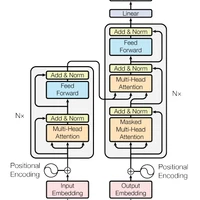


PB-LLM: Partially Binarized Large Language Models
This paper explores network binarization, a radical form of quantization, compressing model weights to a single bit, specifically for Large Language Models (LLMs) compression. Due to previous binarization methods collapsing LLMs, we propose a novel approach, Partially-Binarized LLM (PB-LLM), which can achieve extreme low-bit quantization while maintaining the linguistic reasoning capacity of quantized LLMs. Specifically, our exploration first uncovers the ineffectiveness of naive applications of existing binarization algorithms and highlights the imperative role of salient weights in achieving low-bit quantization. Thus, PB-LLM filters a small ratio of salient weights during binarization, allocating them to higher-bit storage, i.e., partially-binarization. PB-LLM is extended to recover the capacities of quantized LMMs, by analyzing from the perspective of post-training quantization (PTQ) and quantization-aware training (QAT). Under PTQ, combining the concepts from GPTQ, we reconstruct the binarized weight matrix guided by the Hessian matrix and successfully recover the reasoning capacity of PB-LLM in low-bit. Under QAT, we freeze the salient weights during training, explore the derivation of optimal scaling factors crucial for minimizing the quantization error, and propose a scaling mechanism based on this derived scaling strategy for residual binarized weights. Those explorations and the developed methodologies significantly contribute to rejuvenating the performance of low-bit quantized LLMs and present substantial advancements in the field of network binarization for LLMs.The code is available at https://github.com/hahnyuan/BinaryLLM.


GERNERMED -- An Open German Medical NER Model
The current state of adoption of well-structured electronic health records and integration of digital methods for storing medical patient data in structured formats can often considered as inferior compared to the use of traditional, unstructured text based patient data documentation. Data mining in the field of medical data analysis often needs to rely solely on processing of unstructured data to retrieve relevant data. In natural language processing (NLP), statistical models have been shown successful in various tasks like part-of-speech tagging, relation extraction (RE) and named entity recognition (NER). In this work, we present GERNERMED, the first open, neural NLP model for NER tasks dedicated to detect medical entity types in German text data. Here, we avoid the conflicting goals of protection of sensitive patient data from training data extraction and the publication of the statistical model weights by training our model on a custom dataset that was translated from publicly available datasets in foreign language by a pretrained neural machine translation model. The sample code and the statistical model is available at: https://github.com/frankkramer-lab/GERNERMED
Quantizing deep convolutional networks for efficient inference: A whitepaper
We present an overview of techniques for quantizing convolutional neural networks for inference with integer weights and activations. Per-channel quantization of weights and per-layer quantization of activations to 8-bits of precision post-training produces classification accuracies within 2% of floating point networks for a wide variety of CNN architectures. Model sizes can be reduced by a factor of 4 by quantizing weights to 8-bits, even when 8-bit arithmetic is not supported. This can be achieved with simple, post training quantization of weights.We benchmark latencies of quantized networks on CPUs and DSPs and observe a speedup of 2x-3x for quantized implementations compared to floating point on CPUs. Speedups of up to 10x are observed on specialized processors with fixed point SIMD capabilities, like the Qualcomm QDSPs with HVX. Quantization-aware training can provide further improvements, reducing the gap to floating point to 1% at 8-bit precision. Quantization-aware training also allows for reducing the precision of weights to four bits with accuracy losses ranging from 2% to 10%, with higher accuracy drop for smaller networks.We introduce tools in TensorFlow and TensorFlowLite for quantizing convolutional networks and review best practices for quantization-aware training to obtain high accuracy with quantized weights and activations. We recommend that per-channel quantization of weights and per-layer quantization of activations be the preferred quantization scheme for hardware acceleration and kernel optimization. We also propose that future processors and hardware accelerators for optimized inference support precisions of 4, 8 and 16 bits.
Nemotron-Flash: Towards Latency-Optimal Hybrid Small Language Models
Efficient deployment of small language models (SLMs) is essential for numerous real-world applications with stringent latency constraints. While previous work on SLM design has primarily focused on reducing the number of parameters to achieve parameter-optimal SLMs, parameter efficiency does not necessarily translate into proportional real-device speed-ups. This work aims to identify the key determinants of SLMs' real-device latency and offer generalizable principles and methodologies for SLM design and training when real-device latency is the primary consideration. Specifically, we identify two central architectural factors: depth-width ratios and operator choices. The former is crucial for small-batch-size latency, while the latter affects both latency and large-batch-size throughput. In light of this, we first study latency-optimal depth-width ratios, with the key finding that although deep-thin models generally achieve better accuracy under the same parameter budget, they may not lie on the accuracy-latency trade-off frontier. Next, we explore emerging efficient attention alternatives to evaluate their potential as candidate building operators. Using the identified promising operators, we construct an evolutionary search framework to automatically discover latency-optimal combinations of these operators within hybrid SLMs, thereby advancing the accuracy-latency frontier. In addition to architectural improvements, we further enhance SLM training using a weight normalization technique that enables more effective weight updates and improves final convergence. Combining these methods, we introduce a new family of hybrid SLMs, called Nemotron-Flash, which significantly advances the accuracy-efficiency frontier of state-of-the-art SLMs, e.g., achieving over +5.5% average accuracy, 1.3x/1.9x lower latency, and 18.7x/45.6x higher throughput compared to Qwen3-1.7B/0.6B, respectively.

InternLM-XComposer2.5-Reward: A Simple Yet Effective Multi-Modal Reward Model
Despite the promising performance of Large Vision Language Models (LVLMs) in visual understanding, they occasionally generate incorrect outputs. While reward models (RMs) with reinforcement learning or test-time scaling offer the potential for improving generation quality, a critical gap remains: publicly available multi-modal RMs for LVLMs are scarce, and the implementation details of proprietary models are often unclear. We bridge this gap with InternLM-XComposer2.5-Reward (IXC-2.5-Reward), a simple yet effective multi-modal reward model that aligns LVLMs with human preferences. To ensure the robustness and versatility of IXC-2.5-Reward, we set up a high-quality multi-modal preference corpus spanning text, image, and video inputs across diverse domains, such as instruction following, general understanding, text-rich documents, mathematical reasoning, and video understanding. IXC-2.5-Reward achieves excellent results on the latest multi-modal reward model benchmark and shows competitive performance on text-only reward model benchmarks. We further demonstrate three key applications of IXC-2.5-Reward: (1) Providing a supervisory signal for RL training. We integrate IXC-2.5-Reward with Proximal Policy Optimization (PPO) yields IXC-2.5-Chat, which shows consistent improvements in instruction following and multi-modal open-ended dialogue; (2) Selecting the best response from candidate responses for test-time scaling; and (3) Filtering outlier or noisy samples from existing image and video instruction tuning training data. To ensure reproducibility and facilitate further research, we have open-sourced all model weights and training recipes at https://github.com/InternLM/InternLM-XComposer




Results of the NeurIPS 2023 Neural MMO Competition on Multi-task Reinforcement Learning
We present the results of the NeurIPS 2023 Neural MMO Competition, which attracted over 200 participants and submissions. Participants trained goal-conditional policies that generalize to tasks, maps, and opponents never seen during training. The top solution achieved a score 4x higher than our baseline within 8 hours of training on a single 4090 GPU. We open-source everything relating to Neural MMO and the competition under the MIT license, including the policy weights and training code for our baseline and for the top submissions.
DoReMi: Optimizing Data Mixtures Speeds Up Language Model Pretraining
The mixture proportions of pretraining data domains (e.g., Wikipedia, books, web text) greatly affect language model (LM) performance. In this paper, we propose Domain Reweighting with Minimax Optimization (DoReMi), which first trains a small proxy model using group distributionally robust optimization (Group DRO) over domains to produce domain weights (mixture proportions) without knowledge of downstream tasks. We then resample a dataset with these domain weights and train a larger, full-sized model. In our experiments, we use DoReMi on a 280M-parameter proxy model to find domain weights for training an 8B-parameter model (30x larger) more efficiently. On The Pile, DoReMi improves perplexity across all domains, even when it downweights a domain. DoReMi improves average few-shot downstream accuracy by 6.5% over a baseline model trained using The Pile's default domain weights and reaches the baseline accuracy with 2.6x fewer training steps. On the GLaM dataset, DoReMi, which has no knowledge of downstream tasks, even matches the performance of using domain weights tuned on downstream tasks.


Is Flash Attention Stable?
Training large-scale machine learning models poses distinct system challenges, given both the size and complexity of today's workloads. Recently, many organizations training state-of-the-art Generative AI models have reported cases of instability during training, often taking the form of loss spikes. Numeric deviation has emerged as a potential cause of this training instability, although quantifying this is especially challenging given the costly nature of training runs. In this work, we develop a principled approach to understanding the effects of numeric deviation, and construct proxies to put observations into context when downstream effects are difficult to quantify. As a case study, we apply this framework to analyze the widely-adopted Flash Attention optimization. We find that Flash Attention sees roughly an order of magnitude more numeric deviation as compared to Baseline Attention at BF16 when measured during an isolated forward pass. We then use a data-driven analysis based on the Wasserstein Distance to provide upper bounds on how this numeric deviation impacts model weights during training, finding that the numerical deviation present in Flash Attention is 2-5 times less significant than low-precision training.
Simulated Ensemble Attack: Transferring Jailbreaks Across Fine-tuned Vision-Language Models
Fine-tuning open-source Vision-Language Models (VLMs) creates a critical yet underexplored attack surface: vulnerabilities in the base VLM could be retained in fine-tuned variants, rendering them susceptible to transferable jailbreak attacks. To demonstrate this risk, we introduce the Simulated Ensemble Attack (SEA), a novel grey-box jailbreak method in which the adversary has full access to the base VLM but no knowledge of the fine-tuned target's weights or training configuration. To improve jailbreak transferability across fine-tuned VLMs, SEA combines two key techniques: Fine-tuning Trajectory Simulation (FTS) and Targeted Prompt Guidance (TPG). FTS generates transferable adversarial images by simulating the vision encoder's parameter shifts, while TPG is a textual strategy that steers the language decoder toward adversarially optimized outputs. Experiments on the Qwen2-VL family (2B and 7B) demonstrate that SEA achieves high transfer attack success rates exceeding 86.5% and toxicity rates near 49.5% across diverse fine-tuned variants, even those specifically fine-tuned to improve safety behaviors. Notably, while direct PGD-based image jailbreaks rarely transfer across fine-tuned VLMs, SEA reliably exploits inherited vulnerabilities from the base model, significantly enhancing transferability. These findings highlight an urgent need to safeguard fine-tuned proprietary VLMs against transferable vulnerabilities inherited from open-source foundations, motivating the development of holistic defenses across the entire model lifecycle.

A LoRA-Based Approach to Fine-Tuning LLMs for Educational Guidance in Resource-Constrained Settings
The current study describes a cost-effective method for adapting large language models (LLMs) for academic advising with study-abroad contexts in mind and for application in low-resource methods for acculturation. With the Mistral-7B-Instruct model applied with a Low-Rank Adaptation (LoRA) method and a 4-bit quantization method, the model underwent training in two distinct stages related to this study's purpose to enhance domain specificity while maintaining computational efficiency. In Phase 1, the model was conditioned with a synthetic dataset via the Gemini Pro API, and in Phase 2, it was trained with manually curated datasets from the StudyAbroadGPT project to achieve enhanced, contextualized responses. Technical innovations entailed memory-efficient quantization, parameter-efficient adaptation, and continuous training analytics via Weights & Biases. After training, this study demonstrated a reduction in training loss by 52.7%, 92% accuracy in domain-specific recommendations, achieved 95% markdown-based formatting support, and a median run-rate of 100 samples per second on off-the-shelf GPU equipment. These findings support the effective application of instruction-tuned LLMs within educational advisers, especially in low-resource institutional scenarios. Limitations included decreased generalizability and the application of a synthetically generated dataset, but this framework is scalable for adding new multilingual-augmented and real-time academic advising processes. Future directions may include plans for the integration of retrieval-augmented generation, applying dynamic quantization routines, and connecting to real-time academic databases to increase adaptability and accuracy.

BLAST: Block-Level Adaptive Structured Matrices for Efficient Deep Neural Network Inference
Large-scale foundation models have demonstrated exceptional performance in language and vision tasks. However, the numerous dense matrix-vector operations involved in these large networks pose significant computational challenges during inference. To address these challenges, we introduce the Block-Level Adaptive STructured (BLAST) matrix, designed to learn and leverage efficient structures prevalent in the weight matrices of linear layers within deep learning models. Compared to existing structured matrices, the BLAST matrix offers substantial flexibility, as it can represent various types of structures that are either learned from data or computed from pre-existing weight matrices. We demonstrate the efficiency of using the BLAST matrix for compressing both language and vision tasks, showing that (i) for medium-sized models such as ViT and GPT-2, training with BLAST weights boosts performance while reducing complexity by 70% and 40%, respectively; and (ii) for large foundation models such as Llama-7B and DiT-XL, the BLAST matrix achieves a 2x compression while exhibiting the lowest performance degradation among all tested structured matrices. Our code is available at https://github.com/changwoolee/BLAST.

FlexSED: Towards Open-Vocabulary Sound Event Detection
Despite recent progress in large-scale sound event detection (SED) systems capable of handling hundreds of sound classes, existing multi-class classification frameworks remain fundamentally limited. They cannot process free-text sound queries, which enable more flexible and user-friendly interaction, and they lack zero-shot capabilities and offer poor few-shot adaptability. Although text-query-based separation methods have been explored, they primarily focus on source separation and are ill-suited for SED tasks that require precise temporal localization and efficient detection across large and diverse sound vocabularies. In this paper, we propose FlexSED, an open-vocabulary sound event detection system. FlexSED builds on a pretrained audio SSL model and the CLAP text encoder, introducing an encoder-decoder composition and an adaptive fusion strategy to enable effective continuous training from pretrained weights. To ensure robust supervision, it also employs large language models (LLMs) to assist in event query selection during training, addressing challenges related to missing labels. As a result, FlexSED achieves superior performance compared to vanilla SED models on AudioSet-Strong, while demonstrating strong zero-shot and few-shot capabilities. We release the code and pretrained models to support future research and applications based on FlexSED.
Information Extraction from Heterogeneous Documents without Ground Truth Labels using Synthetic Label Generation and Knowledge Distillation
Invoices and receipts submitted by employees are visually rich documents (VRDs) with textual, visual and layout information. To protect against the risk of fraud and abuse, it is crucial for organizations to efficiently extract desired information from submitted receipts. This helps in the assessment of key factors such as appropriateness of the expense claim, adherence to spending and transaction policies, the validity of the receipt, as well as downstream anomaly detection at various levels. These documents are heterogeneous, with multiple formats and languages, uploaded with different image qualities, and often do not contain ground truth labels for the efficient training of models. In this paper we propose Task Aware Instruction-based Labelling (TAIL), a method for synthetic label generation in VRD corpuses without labels, and fine-tune a multimodal Visually Rich Document Understanding Model (VRDU) on TAIL labels using response-based knowledge distillation without using the teacher model's weights or training dataset to conditionally generate annotations in the appropriate format. Using a benchmark external dataset where ground truth labels are available, we demonstrate conditions under which our approach performs at par with Claude 3 Sonnet through empirical studies. We then show that the resulting model performs at par or better on the internal expense documents of a large multinational organization than state-of-the-art LMM (large multimodal model) Claude 3 Sonnet while being 85% less costly and ~5X faster, and outperforms layout-aware baselines by more than 10% in Average Normalized Levenshtein Similarity (ANLS) scores due to its ability to reason and extract information from rare formats. Finally, we illustrate the usage of our approach in overpayment prevention.

Dissecting the Effects of SGD Noise in Distinct Regimes of Deep Learning
Understanding when the noise in stochastic gradient descent (SGD) affects generalization of deep neural networks remains a challenge, complicated by the fact that networks can operate in distinct training regimes. Here we study how the magnitude of this noise T affects performance as the size of the training set P and the scale of initialization alpha are varied. For gradient descent, alpha is a key parameter that controls if the network is `lazy'(alphagg1) or instead learns features (alphall1). For classification of MNIST and CIFAR10 images, our central results are: (i) obtaining phase diagrams for performance in the (alpha,T) plane. They show that SGD noise can be detrimental or instead useful depending on the training regime. Moreover, although increasing T or decreasing alpha both allow the net to escape the lazy regime, these changes can have opposite effects on performance. (ii) Most importantly, we find that the characteristic temperature T_c where the noise of SGD starts affecting the trained model (and eventually performance) is a power law of P. We relate this finding with the observation that key dynamical quantities, such as the total variation of weights during training, depend on both T and P as power laws. These results indicate that a key effect of SGD noise occurs late in training by affecting the stopping process whereby all data are fitted. Indeed, we argue that due to SGD noise, nets must develop a stronger `signal', i.e. larger informative weights, to fit the data, leading to a longer training time. A stronger signal and a longer training time are also required when the size of the training set P increases. We confirm these views in the perceptron model, where signal and noise can be precisely measured. Interestingly, exponents characterizing the effect of SGD depend on the density of data near the decision boundary, as we explain.

Improving Multi-Interest Network with Stable Learning
Modeling users' dynamic preferences from historical behaviors lies at the core of modern recommender systems. Due to the diverse nature of user interests, recent advances propose the multi-interest networks to encode historical behaviors into multiple interest vectors. In real scenarios, the corresponding items of captured interests are usually retrieved together to get exposure and collected into training data, which produces dependencies among interests. Unfortunately, multi-interest networks may incorrectly concentrate on subtle dependencies among captured interests. Misled by these dependencies, the spurious correlations between irrelevant interests and targets are captured, resulting in the instability of prediction results when training and test distributions do not match. In this paper, we introduce the widely used Hilbert-Schmidt Independence Criterion (HSIC) to measure the degree of independence among captured interests and empirically show that the continuous increase of HSIC may harm model performance. Based on this, we propose a novel multi-interest network, named DEep Stable Multi-Interest Learning (DESMIL), which tries to eliminate the influence of subtle dependencies among captured interests via learning weights for training samples and make model concentrate more on underlying true causation. We conduct extensive experiments on public recommendation datasets, a large-scale industrial dataset and the synthetic datasets which simulate the out-of-distribution data. Experimental results demonstrate that our proposed DESMIL outperforms state-of-the-art models by a significant margin. Besides, we also conduct comprehensive model analysis to reveal the reason why DESMIL works to a certain extent.

Early Weight Averaging meets High Learning Rates for LLM Pre-training
Training Large Language Models (LLMs) incurs significant cost; hence, any strategy that accelerates model convergence is helpful. In this paper, we investigate the ability of a simple idea checkpoint averaging along the trajectory of a training run to improve both convergence and generalization quite early on during training. Here we show that models trained with high learning rates observe higher gains due to checkpoint averaging. Furthermore, these gains are amplified when checkpoints are sampled with considerable spacing in training steps. Our training recipe outperforms conventional training and popular checkpoint averaging baselines such as exponential moving average (EMA) and stochastic moving average (SWA). We evaluate our training recipe by pre-training LLMs, where high learning rates are inherently preferred due to extremely large batch sizes. Specifically, we pre-trained nanoGPT-2 models of varying sizes, small (125M), medium (335M), and large (770M)on the OpenWebText dataset, comprised of 9B tokens. Additionally, we present results for publicly available Pythia LLMs, ranging from 1B to 12B, which were trained on the PILE-deduped dataset containing 207B tokens.
DL-QAT: Weight-Decomposed Low-Rank Quantization-Aware Training for Large Language Models
Improving the efficiency of inference in Large Language Models (LLMs) is a critical area of research. Post-training Quantization (PTQ) is a popular technique, but it often faces challenges at low-bit levels, particularly in downstream tasks. Quantization-aware Training (QAT) can alleviate this problem, but it requires significantly more computational resources. To tackle this, we introduced Weight-Decomposed Low-Rank Quantization-Aware Training (DL-QAT), which merges the advantages of QAT while training only less than 1% of the total parameters. Specifically, we introduce a group-specific quantization magnitude to adjust the overall scale of each quantization group. Within each quantization group, we use LoRA matrices to update the weight size and direction in the quantization space. We validated the effectiveness of our method on the LLaMA and LLaMA2 model families. The results show significant improvements over our baseline method across different quantization granularities. For instance, for LLaMA-7B, our approach outperforms the previous state-of-the-art method by 4.2% in MMLU on 3-bit LLaMA-7B model. Additionally, our quantization results on pre-trained models also surpass previous QAT methods, demonstrating the superior performance and efficiency of our approach.

LNS-Madam: Low-Precision Training in Logarithmic Number System using Multiplicative Weight Update
Representing deep neural networks (DNNs) in low-precision is a promising approach to enable efficient acceleration and memory reduction. Previous methods that train DNNs in low-precision typically keep a copy of weights in high-precision during the weight updates. Directly training with low-precision weights leads to accuracy degradation due to complex interactions between the low-precision number systems and the learning algorithms. To address this issue, we develop a co-designed low-precision training framework, termed LNS-Madam, in which we jointly design a logarithmic number system (LNS) and a multiplicative weight update algorithm (Madam). We prove that LNS-Madam results in low quantization error during weight updates, leading to stable performance even if the precision is limited. We further propose a hardware design of LNS-Madam that resolves practical challenges in implementing an efficient datapath for LNS computations. Our implementation effectively reduces energy overhead incurred by LNS-to-integer conversion and partial sum accumulation. Experimental results show that LNS-Madam achieves comparable accuracy to full-precision counterparts with only 8 bits on popular computer vision and natural language tasks. Compared to FP32 and FP8, LNS-Madam reduces the energy consumption by over 90% and 55%, respectively.
Collage: Light-Weight Low-Precision Strategy for LLM Training
Large models training is plagued by the intense compute cost and limited hardware memory. A practical solution is low-precision representation but is troubled by loss in numerical accuracy and unstable training rendering the model less useful. We argue that low-precision floating points can perform well provided the error is properly compensated at the critical locations in the training process. We propose Collage which utilizes multi-component float representation in low-precision to accurately perform operations with numerical errors accounted. To understand the impact of imprecision to training, we propose a simple and novel metric which tracks the lost information during training as well as differentiates various precision strategies. Our method works with commonly used low-precision such as half-precision (16-bit floating points) and can be naturally extended to work with even lower precision such as 8-bit. Experimental results show that pre-training using Collage removes the requirement of using 32-bit floating-point copies of the model and attains similar/better training performance compared to (16, 32)-bit mixed-precision strategy, with up to 3.7times speedup and sim 15% to 23% less memory usage in practice.
Robust Weight Perturbation for Adversarial Training
Overfitting widely exists in adversarial robust training of deep networks. An effective remedy is adversarial weight perturbation, which injects the worst-case weight perturbation during network training by maximizing the classification loss on adversarial examples. Adversarial weight perturbation helps reduce the robust generalization gap; however, it also undermines the robustness improvement. A criterion that regulates the weight perturbation is therefore crucial for adversarial training. In this paper, we propose such a criterion, namely Loss Stationary Condition (LSC) for constrained perturbation. With LSC, we find that it is essential to conduct weight perturbation on adversarial data with small classification loss to eliminate robust overfitting. Weight perturbation on adversarial data with large classification loss is not necessary and may even lead to poor robustness. Based on these observations, we propose a robust perturbation strategy to constrain the extent of weight perturbation. The perturbation strategy prevents deep networks from overfitting while avoiding the side effect of excessive weight perturbation, significantly improving the robustness of adversarial training. Extensive experiments demonstrate the superiority of the proposed method over the state-of-the-art adversarial training methods.

Micro-Batch Training with Batch-Channel Normalization and Weight Standardization
Batch Normalization (BN) has become an out-of-box technique to improve deep network training. However, its effectiveness is limited for micro-batch training, i.e., each GPU typically has only 1-2 images for training, which is inevitable for many computer vision tasks, e.g., object detection and semantic segmentation, constrained by memory consumption. To address this issue, we propose Weight Standardization (WS) and Batch-Channel Normalization (BCN) to bring two success factors of BN into micro-batch training: 1) the smoothing effects on the loss landscape and 2) the ability to avoid harmful elimination singularities along the training trajectory. WS standardizes the weights in convolutional layers to smooth the loss landscape by reducing the Lipschitz constants of the loss and the gradients; BCN combines batch and channel normalizations and leverages estimated statistics of the activations in convolutional layers to keep networks away from elimination singularities. We validate WS and BCN on comprehensive computer vision tasks, including image classification, object detection, instance segmentation, video recognition and semantic segmentation. All experimental results consistently show that WS and BCN improve micro-batch training significantly. Moreover, using WS and BCN with micro-batch training is even able to match or outperform the performances of BN with large-batch training.
Training-free Zero-shot Composed Image Retrieval via Weighted Modality Fusion and Similarity
Composed image retrieval (CIR), which formulates the query as a combination of a reference image and modified text, has emerged as a new form of image search due to its enhanced ability to capture user intent. However, training a CIR model in a supervised manner typically requires labor-intensive collection of (reference image, text modifier, target image) triplets. While existing zero-shot CIR (ZS-CIR) methods eliminate the need for training on specific downstream datasets, they still require additional pretraining on large-scale image datasets. In this paper, we introduce a training-free approach for ZS-CIR. Our approach, Weighted Modality fusion and similarity for CIR (WeiMoCIR), operates under the assumption that image and text modalities can be effectively combined using a simple weighted average. This allows the query representation to be constructed directly from the reference image and text modifier. To further enhance retrieval performance, we employ multimodal large language models (MLLMs) to generate image captions for the database images and incorporate these textual captions into the similarity computation by combining them with image information using a weighted average. Our approach is simple, easy to implement, and its effectiveness is validated through experiments on the FashionIQ and CIRR datasets. Code is available at https://github.com/whats2000/WeiMoCIR.

Mixture-of-Supernets: Improving Weight-Sharing Supernet Training with Architecture-Routed Mixture-of-Experts
Weight-sharing supernet has become a vital component for performance estimation in the state-of-the-art (SOTA) neural architecture search (NAS) frameworks. Although supernet can directly generate different subnetworks without retraining, there is no guarantee for the quality of these subnetworks because of weight sharing. In NLP tasks such as machine translation and pre-trained language modeling, we observe that given the same model architecture, there is a large performance gap between supernet and training from scratch. Hence, supernet cannot be directly used and retraining is necessary after finding the optimal architectures. In this work, we propose mixture-of-supernets, a generalized supernet formulation where mixture-of-experts (MoE) is adopted to enhance the expressive power of the supernet model, with negligible training overhead. In this way, different subnetworks do not share the model weights directly, but through an architecture-based routing mechanism. As a result, model weights of different subnetworks are customized towards their specific architectures and the weight generation is learned by gradient descent. Compared to existing weight-sharing supernet for NLP, our method can minimize the retraining time, greatly improving training efficiency. In addition, the proposed method achieves the SOTA performance in NAS for building fast machine translation models, yielding better latency-BLEU tradeoff compared to HAT, state-of-the-art NAS for MT. We also achieve the SOTA performance in NAS for building memory-efficient task-agnostic BERT models, outperforming NAS-BERT and AutoDistil in various model sizes.





Weight Normalization: A Simple Reparameterization to Accelerate Training of Deep Neural Networks
We present weight normalization: a reparameterization of the weight vectors in a neural network that decouples the length of those weight vectors from their direction. By reparameterizing the weights in this way we improve the conditioning of the optimization problem and we speed up convergence of stochastic gradient descent. Our reparameterization is inspired by batch normalization but does not introduce any dependencies between the examples in a minibatch. This means that our method can also be applied successfully to recurrent models such as LSTMs and to noise-sensitive applications such as deep reinforcement learning or generative models, for which batch normalization is less well suited. Although our method is much simpler, it still provides much of the speed-up of full batch normalization. In addition, the computational overhead of our method is lower, permitting more optimization steps to be taken in the same amount of time. We demonstrate the usefulness of our method on applications in supervised image recognition, generative modelling, and deep reinforcement learning.
Power Lines: Scaling Laws for Weight Decay and Batch Size in LLM Pre-training
Efficient LLM pre-training requires well-tuned hyperparameters (HPs), including learning rate {\eta} and weight decay {\lambda}. We study scaling laws for HPs: formulas for how to scale HPs as we scale model size N, dataset size D, and batch size B. Recent work suggests the AdamW timescale, B/({\eta}{\lambda}D), should remain constant across training settings, and we verify the implication that optimal {\lambda} scales linearly with B, for a fixed N,D. However, as N,D scale, we show the optimal timescale obeys a precise power law in the tokens-per-parameter ratio, D/N. This law thus provides a method to accurately predict {\lambda}opt in advance of large-scale training. We also study scaling laws for optimal batch size Bopt (the B enabling lowest loss at a given N,D) and critical batch size Bcrit (the B beyond which further data parallelism becomes ineffective). In contrast with prior work, we find both Bopt and Bcrit scale as power laws in D, independent of model size, N. Finally, we analyze how these findings inform the real-world selection of Pareto-optimal N and D under dual training time and compute objectives.
Gradient Weight-normalized Low-rank Projection for Efficient LLM Training
Large Language Models (LLMs) have shown remarkable performance across various tasks, but the escalating demands on computational resources pose significant challenges, particularly in the extensive utilization of full fine-tuning for downstream tasks. To address this, parameter-efficient fine-tuning (PEFT) methods have been developed, but they often underperform compared to full fine-tuning and struggle with memory efficiency. In this work, we introduce Gradient Weight-Normalized Low-Rank Projection (GradNormLoRP), a novel approach that enhances both parameter and memory efficiency while maintaining comparable performance to full fine-tuning. GradNormLoRP normalizes the weight matrix to improve gradient conditioning, facilitating better convergence during optimization. Additionally, it applies low-rank approximations to the weight and gradient matrices, significantly reducing memory usage during training. Extensive experiments demonstrate that our 8-bit GradNormLoRP reduces optimizer memory usage by up to 89.5% and enables the pre-training of large LLMs, such as LLaMA 7B, on consumer-level GPUs like the NVIDIA RTX 4090, without additional inference costs. Moreover, GradNormLoRP outperforms existing low-rank methods in fine-tuning tasks. For instance, when fine-tuning the RoBERTa model on all GLUE tasks with a rank of 8, GradNormLoRP achieves an average score of 80.65, surpassing LoRA's score of 79.23. These results underscore GradNormLoRP as a promising alternative for efficient LLM pre-training and fine-tuning. Source code: https://github.com/Jhhuangkay/Gradient-Weight-normalized-Low-rank-Projection-for-Efficient-LLM-Training
Efficient Diffusion Training via Min-SNR Weighting Strategy
Denoising diffusion models have been a mainstream approach for image generation, however, training these models often suffers from slow convergence. In this paper, we discovered that the slow convergence is partly due to conflicting optimization directions between timesteps. To address this issue, we treat the diffusion training as a multi-task learning problem, and introduce a simple yet effective approach referred to as Min-SNR-gamma. This method adapts loss weights of timesteps based on clamped signal-to-noise ratios, which effectively balances the conflicts among timesteps. Our results demonstrate a significant improvement in converging speed, 3.4times faster than previous weighting strategies. It is also more effective, achieving a new record FID score of 2.06 on the ImageNet 256times256 benchmark using smaller architectures than that employed in previous state-of-the-art. The code is available at https://github.com/TiankaiHang/Min-SNR-Diffusion-Training.

Entropy-Based Adaptive Weighting for Self-Training
The mathematical problem-solving capabilities of large language models have become a focal point of research, with growing interests in leveraging self-generated reasoning paths as a promising way to refine and enhance these models. These paths capture step-by-step logical processes while requiring only the correct answer for supervision. The self-training method has been shown to be effective in reasoning tasks while eliminating the need for external models and manual annotations. However, optimizing the use of self-generated data for model training remains an open challenge. In this work, we propose Entropy-Based Adaptive Weighting for Self-Training (EAST), an adaptive weighting strategy designed to prioritize uncertain data during self-training. Specifically, EAST employs a mapping function with a tunable parameter that controls the sharpness of the weighting, assigning higher weights to data where the model exhibits greater uncertainty. This approach guides the model to focus on more informative and challenging examples, thereby enhancing its reasoning ability. We evaluate our approach on GSM8K and MATH benchmarks. Empirical results show that, while the vanilla method yields virtually no improvement (0%) on MATH, EAST achieves around a 1% gain over backbone model. On GSM8K, EAST attains a further 1-2% performance boost compared to the vanilla method.
Training-free Neural Architecture Search through Variance of Knowledge of Deep Network Weights
Deep learning has revolutionized computer vision, but it achieved its tremendous success using deep network architectures which are mostly hand-crafted and therefore likely suboptimal. Neural Architecture Search (NAS) aims to bridge this gap by following a well-defined optimization paradigm which systematically looks for the best architecture, given objective criterion such as maximal classification accuracy. The main limitation of NAS is however its astronomical computational cost, as it typically requires training each candidate network architecture from scratch. In this paper, we aim to alleviate this limitation by proposing a novel training-free proxy for image classification accuracy based on Fisher Information. The proposed proxy has a strong theoretical background in statistics and it allows estimating expected image classification accuracy of a given deep network without training the network, thus significantly reducing computational cost of standard NAS algorithms. Our training-free proxy achieves state-of-the-art results on three public datasets and in two search spaces, both when evaluated using previously proposed metrics, as well as using a new metric that we propose which we demonstrate is more informative for practical NAS applications. The source code is publicly available at http://www.github.com/ondratybl/VKDNW
vid-TLDR: Training Free Token merging for Light-weight Video Transformer
Video Transformers have become the prevalent solution for various video downstream tasks with superior expressive power and flexibility. However, these video transformers suffer from heavy computational costs induced by the massive number of tokens across the entire video frames, which has been the major barrier to training the model. Further, the patches irrelevant to the main contents, e.g., backgrounds, degrade the generalization performance of models. To tackle these issues, we propose training free token merging for lightweight video Transformer (vid-TLDR) that aims to enhance the efficiency of video Transformers by merging the background tokens without additional training. For vid-TLDR, we introduce a novel approach to capture the salient regions in videos only with the attention map. Further, we introduce the saliency-aware token merging strategy by dropping the background tokens and sharpening the object scores. Our experiments show that vid-TLDR significantly mitigates the computational complexity of video Transformers while achieving competitive performance compared to the base model without vid-TLDR. Code is available at https://github.com/mlvlab/vid-TLDR.


SWAT-NN: Simultaneous Weights and Architecture Training for Neural Networks in a Latent Space
Designing neural networks typically relies on manual trial and error or a neural architecture search (NAS) followed by weight training. The former is time-consuming and labor-intensive, while the latter often discretizes architecture search and weight optimization. In this paper, we propose a fundamentally different approach that simultaneously optimizes both the architecture and the weights of a neural network. Our framework first trains a universal multi-scale autoencoder that embeds both architectural and parametric information into a continuous latent space, where functionally similar neural networks are mapped closer together. Given a dataset, we then randomly initialize a point in the embedding space and update it via gradient descent to obtain the optimal neural network, jointly optimizing its structure and weights. The optimization process incorporates sparsity and compactness penalties to promote efficient models. Experiments on synthetic regression tasks demonstrate that our method effectively discovers sparse and compact neural networks with strong performance.
Variance Control via Weight Rescaling in LLM Pre-training
The outcome of Large Language Model (LLM) pre-training strongly depends on weight initialization and variance control strategies. Although the importance of initial variance control has been well documented in neural networks in general, the literature on initialization and management of its growth during LLM pre-training, specifically, is somewhat sparse. In this paper, we introduce the Layer Index Rescaling (LIR) weight initialization scheme, and the Target Variance Rescaling (TVR) variance control strategy. Experiments on a 1B parameter LLaMA model demonstrate that better variance management using these techniques yields substantial improvements in downstream task performance (up to 4.6% on common pre-training benchmarks) and reduces extreme activation values, thus mitigating challenges associated with quantization and low-precision training. Our code is available at: https://github.com/bluorion-com/weight_rescaling.




End-to-end Whispered Speech Recognition with Frequency-weighted Approaches and Pseudo Whisper Pre-training
Whispering is an important mode of human speech, but no end-to-end recognition results for it were reported yet, probably due to the scarcity of available whispered speech data. In this paper, we present several approaches for end-to-end (E2E) recognition of whispered speech considering the special characteristics of whispered speech and the scarcity of data. This includes a frequency-weighted SpecAugment policy and a frequency-divided CNN feature extractor for better capturing the high-frequency structures of whispered speech, and a layer-wise transfer learning approach to pre-train a model with normal or normal-to-whispered converted speech then fine-tune it with whispered speech to bridge the gap between whispered and normal speech. We achieve an overall relative reduction of 19.8% in PER and 44.4% in CER on a relatively small whispered TIMIT corpus. The results indicate as long as we have a good E2E model pre-trained on normal or pseudo-whispered speech, a relatively small set of whispered speech may suffice to obtain a reasonably good E2E whispered speech recognizer.
Weight subcloning: direct initialization of transformers using larger pretrained ones
Training large transformer models from scratch for a target task requires lots of data and is computationally demanding. The usual practice of transfer learning overcomes this challenge by initializing the model with weights of a pretrained model of the same size and specification to increase the convergence and training speed. However, what if no pretrained model of the required size is available? In this paper, we introduce a simple yet effective technique to transfer the knowledge of a pretrained model to smaller variants. Our approach called weight subcloning expedites the training of scaled-down transformers by initializing their weights from larger pretrained models. Weight subcloning involves an operation on the pretrained model to obtain the equivalent initialized scaled-down model. It consists of two key steps: first, we introduce neuron importance ranking to decrease the embedding dimension per layer in the pretrained model. Then, we remove blocks from the transformer model to match the number of layers in the scaled-down network. The result is a network ready to undergo training, which gains significant improvements in training speed compared to random initialization. For instance, we achieve 4x faster training for vision transformers in image classification and language models designed for next token prediction.


Training-Free Reasoning and Reflection in MLLMs
Recent advances in Reasoning LLMs (e.g., DeepSeek-R1 and OpenAI-o1) have showcased impressive reasoning capabilities via reinforcement learning. However, extending these capabilities to Multimodal LLMs (MLLMs) is hampered by the prohibitive costs of retraining and the scarcity of high-quality, verifiable multimodal reasoning datasets. This paper introduces FRANK Model, a training-FRee ANd r1-liKe MLLM that imbues off-the-shelf MLLMs with reasoning and reflection abilities, without any gradient updates or extra supervision. Our key insight is to decouple perception and reasoning across MLLM decoder layers. Specifically, we observe that compared to the deeper decoder layers, the shallow decoder layers allocate more attention to visual tokens, while the deeper decoder layers concentrate on textual semantics. This observation motivates a hierarchical weight merging approach that combines a visual-pretrained MLLM with a reasoning-specialized LLM. To this end, we propose a layer-wise, Taylor-derived closed-form fusion mechanism that integrates reasoning capacity into deep decoder layers while preserving visual grounding in shallow decoder layers. Extensive experiments on challenging multimodal reasoning benchmarks demonstrate the effectiveness of our approach. On the MMMU benchmark, our model FRANK-38B achieves an accuracy of 69.2, outperforming the strongest baseline InternVL2.5-38B by +5.3, and even surpasses the proprietary GPT-4o model. Our project homepage is at: http://iip.whu.edu.cn/frank/index.html
Cautious Weight Decay
We introduce Cautious Weight Decay (CWD), a one-line, optimizer-agnostic modification that applies weight decay only to parameter coordinates whose signs align with the optimizer update. Unlike standard decoupled decay, which implicitly optimizes a regularized or constrained objective, CWD preserves the original loss and admits a bilevel interpretation: it induces sliding-mode behavior upon reaching the stationary manifold, allowing it to search for locally Pareto-optimal stationary points of the unmodified objective. In practice, CWD is a drop-in change for optimizers such as AdamW, Lion, and Muon, requiring no new hyperparameters or additional tuning. For language model pre-training and ImageNet classification, CWD consistently improves final loss and accuracy at million- to billion-parameter scales.

Training Language Models to Reason Efficiently
Scaling model size and training data has led to great advances in the performance of Large Language Models (LLMs). However, the diminishing returns of this approach necessitate alternative methods to improve model capabilities, particularly in tasks requiring advanced reasoning. Large reasoning models, which leverage long chain-of-thoughts, bring unprecedented breakthroughs in problem-solving capabilities but at a substantial deployment cost associated to longer generations. Reducing inference costs is crucial for the economic feasibility, user experience, and environmental sustainability of these models. In this work, we propose to train large reasoning models to reason efficiently. More precisely, we use reinforcement learning (RL) to train reasoning models to dynamically allocate inference-time compute based on task complexity. Our method incentivizes models to minimize unnecessary computational overhead while maintaining accuracy, thereby achieving substantial efficiency gains. It enables the derivation of a family of reasoning models with varying efficiency levels, controlled via a single hyperparameter. Experiments on two open-weight large reasoning models demonstrate significant reductions in inference cost while preserving most of the accuracy.

Rethinking Post-Training Quantization: Introducing a Statistical Pre-Calibration Approach
As Large Language Models (LLMs) become increasingly computationally complex, developing efficient deployment strategies, such as quantization, becomes crucial. State-of-the-art Post-training Quantization (PTQ) techniques often rely on calibration processes to maintain the accuracy of these models. However, while these calibration techniques can enhance performance in certain domains, they may not be as effective in others. This paper aims to draw attention to robust statistical approaches that can mitigate such issues. We propose a weight-adaptive PTQ method that can be considered a precursor to calibration-based PTQ methods, guiding the quantization process to preserve the distribution of weights by minimizing the Kullback-Leibler divergence between the quantized weights and the originally trained weights. This minimization ensures that the quantized model retains the Shannon information content of the original model to a great extent, guaranteeing robust and efficient deployment across many tasks. As such, our proposed approach can perform on par with most common calibration-based PTQ methods, establishing a new pre-calibration step for further adjusting the quantized weights with calibration. We show that our pre-calibration results achieve the same accuracy as some existing calibration-based PTQ methods on various LLMs.
Weight Factorization and Centralization for Continual Learning in Speech Recognition
Modern neural network based speech recognition models are required to continually absorb new data without re-training the whole system, especially in downstream applications using foundation models, having no access to the original training data. Continually training the models in a rehearsal-free, multilingual, and language agnostic condition, likely leads to catastrophic forgetting, when a seemingly insignificant disruption to the weights can destructively harm the quality of the models. Inspired by the ability of human brains to learn and consolidate knowledge through the waking-sleeping cycle, we propose a continual learning approach with two distinct phases: factorization and centralization, learning and merging knowledge accordingly. Our experiments on a sequence of varied code-switching datasets showed that the centralization stage can effectively prevent catastrophic forgetting by accumulating the knowledge in multiple scattering low-rank adapters.
Training-Free Activation Sparsity in Large Language Models
Activation sparsity can enable practical inference speedups in large language models (LLMs) by reducing the compute and memory-movement required for matrix multiplications during the forward pass. However, existing methods face limitations that inhibit widespread adoption. Some approaches are tailored towards older models with ReLU-based sparsity, while others require extensive continued pre-training on up to hundreds of billions of tokens. This paper describes TEAL, a simple training-free method that applies magnitude-based activation sparsity to hidden states throughout the entire model. TEAL achieves 40-50% model-wide sparsity with minimal performance degradation across Llama-2, Llama-3, and Mistral families, with sizes varying from 7B to 70B. We improve existing sparse kernels and demonstrate wall-clock decoding speed-ups of up to 1.53times and 1.8times at 40% and 50% model-wide sparsity. TEAL is compatible with weight quantization, enabling further efficiency gains.


Exploring Weight Balancing on Long-Tailed Recognition Problem
Recognition problems in long-tailed data, in which the sample size per class is heavily skewed, have gained importance because the distribution of the sample size per class in a dataset is generally exponential unless the sample size is intentionally adjusted. Various methods have been devised to address these problems. Recently, weight balancing, which combines well-known classical regularization techniques with two-stage training, has been proposed. Despite its simplicity, it is known for its high performance compared with existing methods devised in various ways. However, there is a lack of understanding as to why this method is effective for long-tailed data. In this study, we analyze weight balancing by focusing on neural collapse and the cone effect at each training stage and found that it can be decomposed into an increase in Fisher's discriminant ratio of the feature extractor caused by weight decay and cross entropy loss and implicit logit adjustment caused by weight decay and class-balanced loss. Our analysis enables the training method to be further simplified by reducing the number of training stages to one while increasing accuracy.

Adversarial Weight Perturbation Helps Robust Generalization
The study on improving the robustness of deep neural networks against adversarial examples grows rapidly in recent years. Among them, adversarial training is the most promising one, which flattens the input loss landscape (loss change with respect to input) via training on adversarially perturbed examples. However, how the widely used weight loss landscape (loss change with respect to weight) performs in adversarial training is rarely explored. In this paper, we investigate the weight loss landscape from a new perspective, and identify a clear correlation between the flatness of weight loss landscape and robust generalization gap. Several well-recognized adversarial training improvements, such as early stopping, designing new objective functions, or leveraging unlabeled data, all implicitly flatten the weight loss landscape. Based on these observations, we propose a simple yet effective Adversarial Weight Perturbation (AWP) to explicitly regularize the flatness of weight loss landscape, forming a double-perturbation mechanism in the adversarial training framework that adversarially perturbs both inputs and weights. Extensive experiments demonstrate that AWP indeed brings flatter weight loss landscape and can be easily incorporated into various existing adversarial training methods to further boost their adversarial robustness.